
Dreaming of that ‘just-got-back-from-my-hols’ glow but there’s no trips on the horizon? Balayage gives you gorgeous, sun-kissed strands without setting foot on a plane. It’s a freehand colouring technique that’s become a firm favourite for its soft, natural gradients and easy upkeep. Whether you’re a brunette after a bit of warmth or a blonde wanting extra dimension, we’ve got you. We’ll walk you through what happens in the salon, what it costs and how to keep your colour looking fresh for months.

What is balayage?
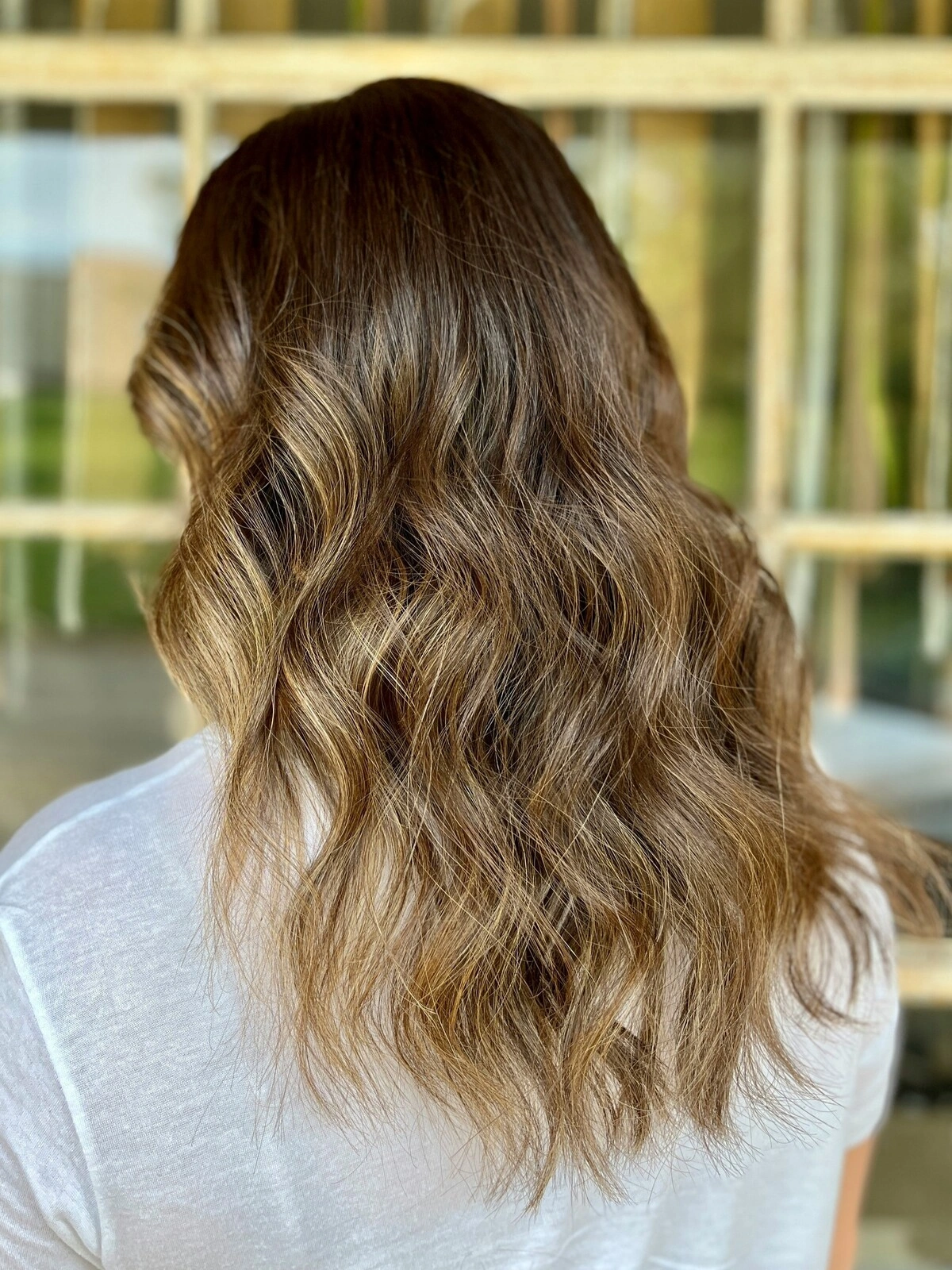
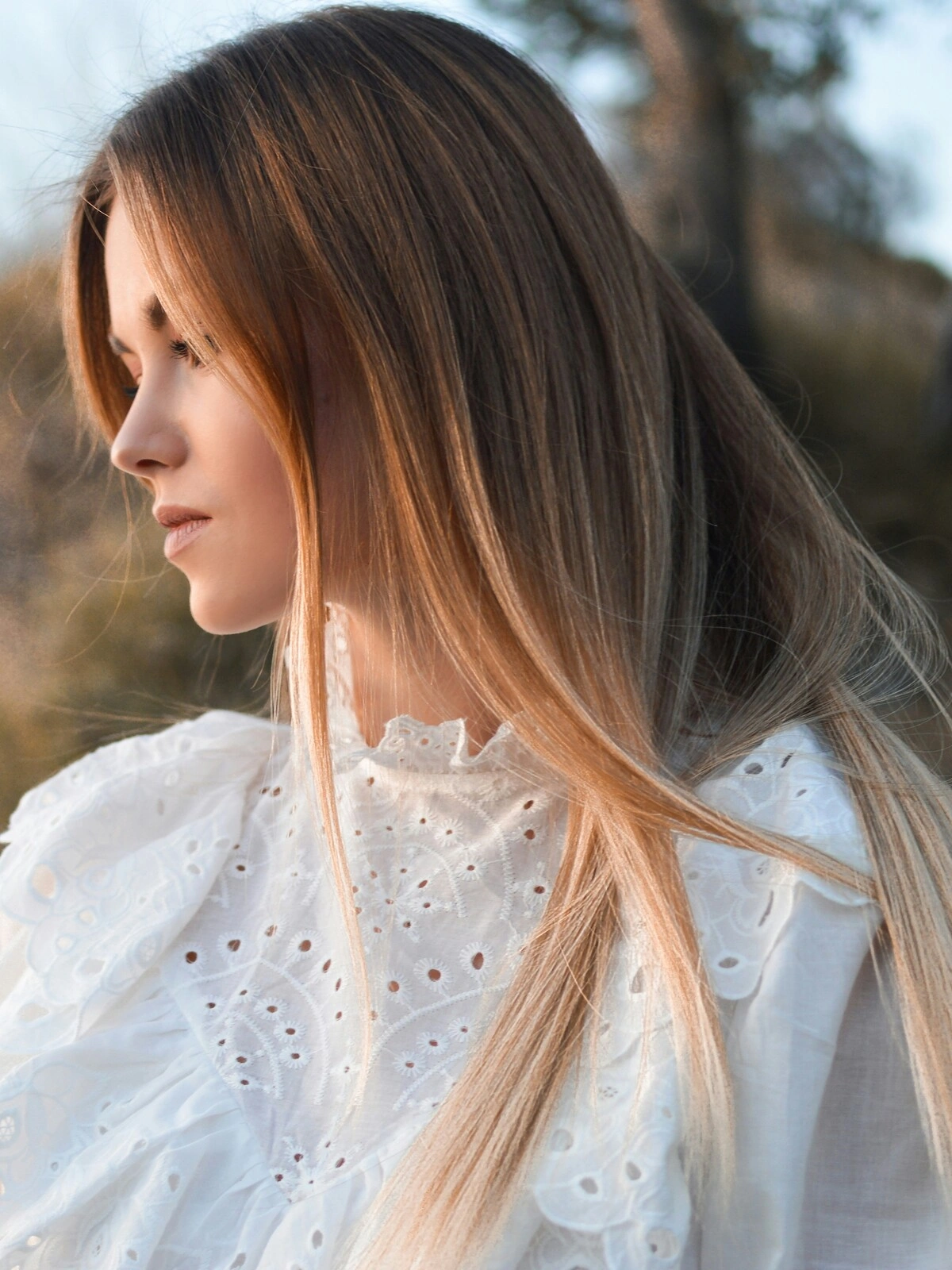
Balayage is a freehand hair-painting technique where your colourist sweeps lightener or dye through your hair, focusing on the mid-lengths and ends. The word comes from the French for ‘to sweep’, which is exactly what your stylist does with that brush. The result? A soft gradient with darker roots melting into lighter ends. Think natural, not stripey.
Plenty of A-listers have shown off balayage over the years, and it works on any base colour. The real magic is in the soft grow-out: no harsh lines, and fewer trips back to the salon.
Where balayage came from
Balayage started life in 1970s France as an innovative salon technique for natural-looking highlights. Over the next couple of decades it went global as stylists refined the method and the soft, lived-in look caught on. Now, it’s a mainstream favourite. And it’s no wonder balayage has remained popular, because this technique is highly versatile and universally flattering.
How balayage creates natural dimension
The dimension comes from clever hand-painting. Rather than blanketing your hair in colour, your colourist mimics the way sunlight naturally lightens it. They’ll adjust the angle and pressure of the brush as they go, building depth in some areas and keeping others softer. That’s what makes balayage look sun-kissed rather than salon-bleached, all soft, movement-rich highlights that suggest you’ve spent the summer somewhere with very good weather.
Balayage vs highlights: what’s the difference?
The big difference is the application. Traditional highlights use foils (those little shiny packets that make you look like you’re picking up satellite signals), wrapping each section to boost lift and create uniform brightness. Balayage is painted freehand and left to develop in the open air, so you get softer transitions and far less obvious regrowth. This means you can go longer between appointments without your roots stealing the spotlight.
The two methods couldn’t be more different. Foils give precise, patterned brightness and process faster thanks to the heat they trap. Balayage is painted by hand with a board or paddle for a more fluid, artistic finish, using the surrounding air for a gentler lift. Some colourists combine both techniques as ‘foilyage’, using foils on some sections and hand-painting others to balance brightness with softness.
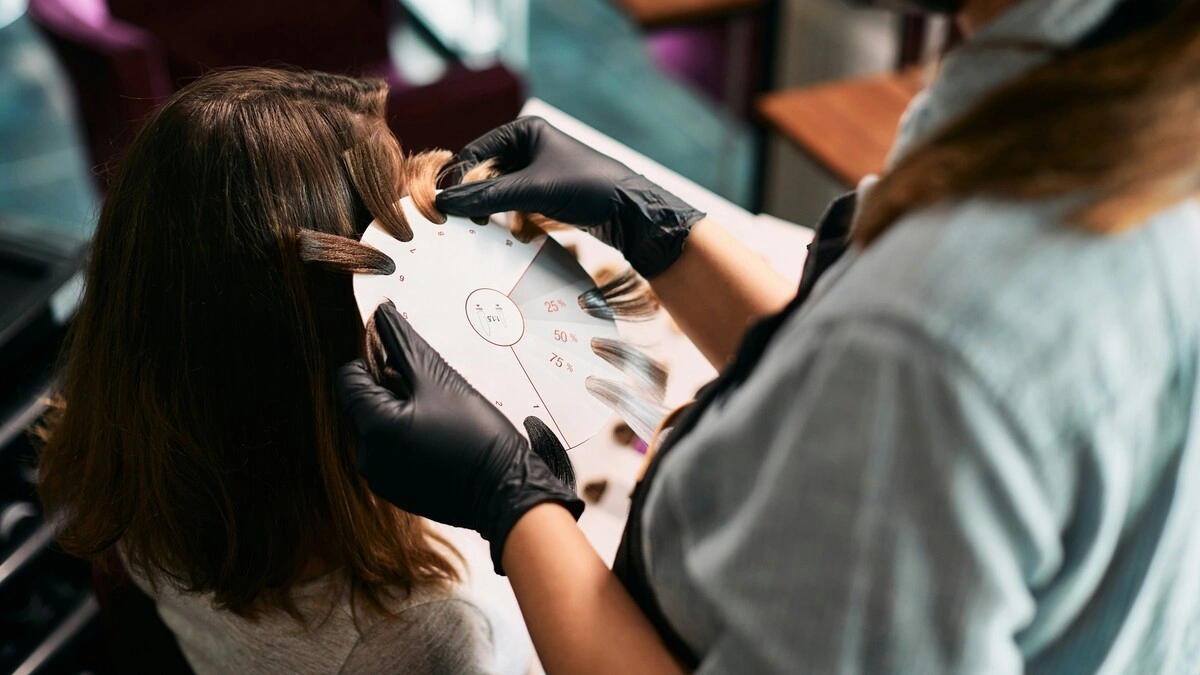
Foils can look stripey with obvious root lines showing up within weeks. Balayage blends gently into your base colour, so regrowth is subtle and touch-ups are less frequent. The first appointment often costs more, but most people find the low-maintenance payoff well worth it. You might pop back for the odd toner to keep your shade on point between full refreshes, but that’s a quick visit compared to a complete recolour.
What to expect at your balayage appointment
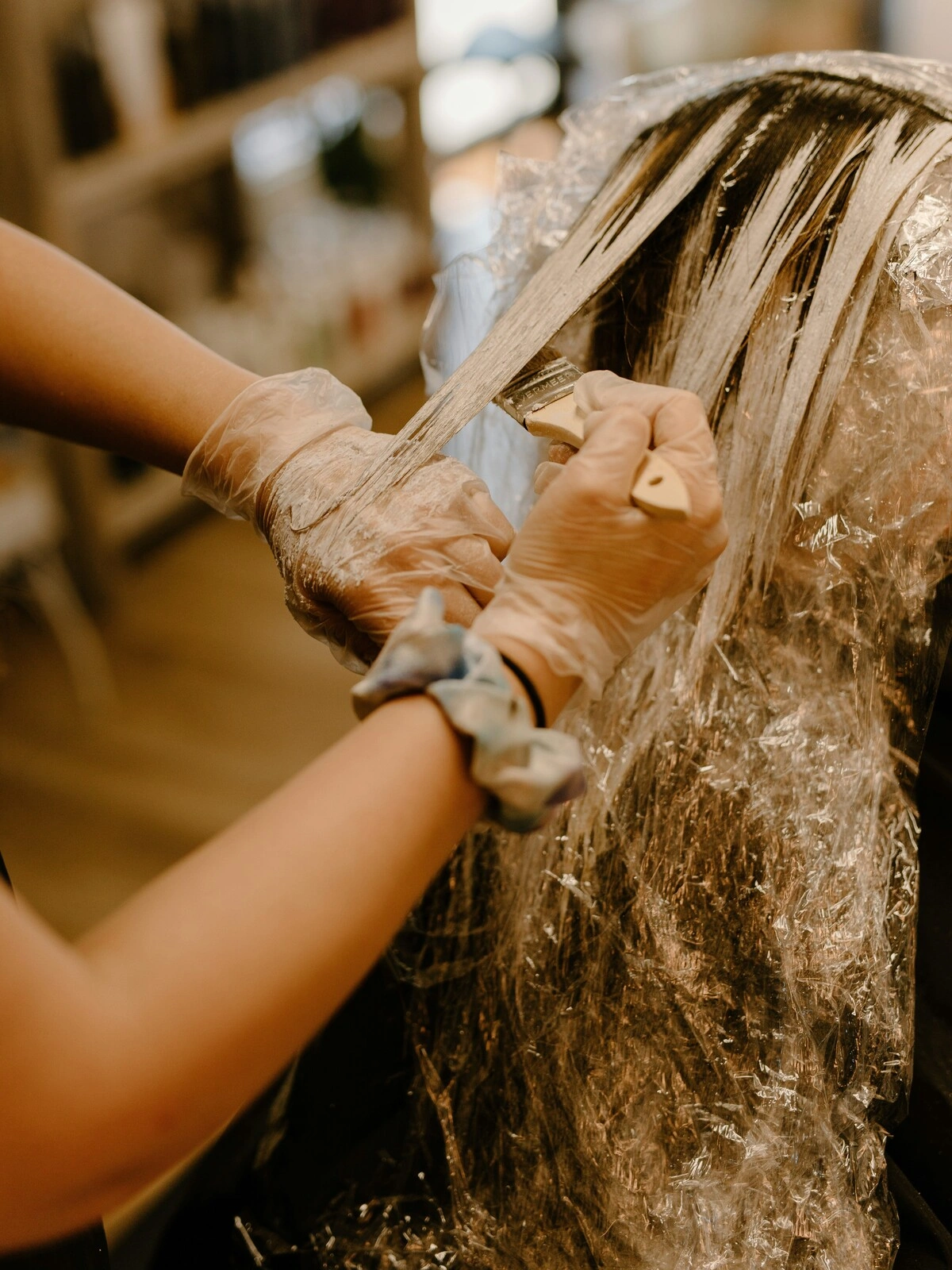
Your balayage appointment kicks off with a proper consultation to talk through what you want and to check the condition of your hair. Turn up with clean, dry hair styled the way you usually wear it, so your colourist can place the colour precisely. Most appointments take two to four hours, depending on your hair length and how much lightening you’re after. Skip any heavy clarifying washes and heat styling beforehand, as your colourist needs to see your hair in its natural state.
Next, your colourist sections your hair and uses a paddle or board to paint lightener or dye exactly where it’s wanted. Then comes the processing time (read: a glorious window to catch up on emails or scroll through your phone). After that, your colourist rinses your hair, often tones it to refine the shade, then styles it. That toning step is the bit that turns brassy orange into buttery blonde or warm caramel.
Questions to ask your colourist
Before your colourist picks up the brush, have a proper chat. A few things worth asking:
- What’s their balayage experience, and can you see their portfolio? You want real results, not just promises.
- What will maintenance look like, including whether you’ll need regular toners?
- What do they need to know about any past chemical treatments or damage? If your hair’s been through the wringer with box dye or a dodgy bleach job, say so.
- Do they use bond-building treatments to protect your hair during lightening?
- What’s the full price, including any add-ons? So there are no surprises when the bill arrives.
How much does balayage cost in the Netherlands?
Balayage in the Netherlands usually costs between €90 and €195, sometimes more, depending on where you are, the salon, and how complex your hair is. Amsterdam salons tend to sit at the top end. The good news? Balayage can be cost-effective over time, because you’ll need fewer touch-ups. A single treatment can last up to six months, while traditional foils need redoing every 8 to 10 weeks.
Your price usually covers the consultation, lightener, toner, and a blow-dry or style. Some salons throw in a bond-building treatment or aftercare advice, so it’s worth checking ahead to avoid unexpected extras.
When you’re budgeting for upkeep, plan for one full balayage a year plus a few toner visits. Looking after your colour with good products at home keeps it fresh and stretches the time between appointments. Some people bundle a cut, toner, and treatment into one visit to keep costs down.
Is balayage right for your hair type?
Balayage works on nearly every hair texture and base colour. On curly or wavy hair, your colourist paints the highlights to follow your natural pattern, so the colour moves with your curls instead of fighting them. On straight hair, fine placement keeps everything seamless rather than stark.
Brunettes often go for caramel, honey or ash tones to brighten things up and add warmth; blondes tend to choose lighter, cooler or creamy shades for extra depth. If you’ve got grey or short hair, balayage can blend in brightness or soften greys, though heavier grey may need a different approach.
Dark hair needs colour to be built up gradually to avoid damage and brassiness. Very dark hair can take more than one session to reach lighter shades. Lifting jet-black hair to platinum in a single sitting is a recipe for disaster (and, frankly, fried hair). Done well, balayage flatters your face shape and features.
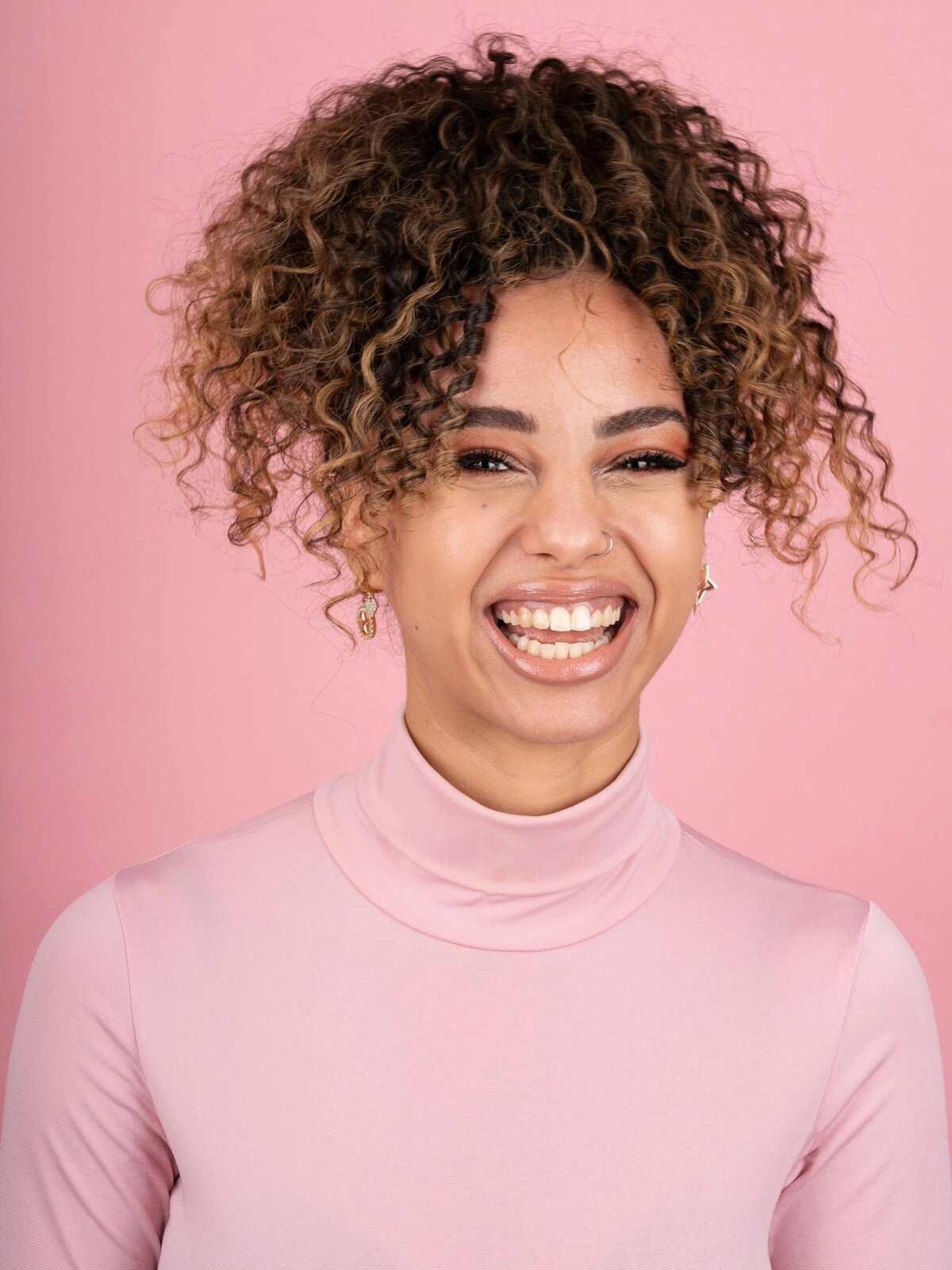
The technique adapts brilliantly across textures. Curly and coily hair shows off highlights that catch every spiral. Wavy hair gets painted through those S-shaped bends for extra movement. Straight hair takes a bit more careful blending, but done right, it gives stunning, dimensional shine.
How to look after your balayage
Good aftercare is what keeps your colour gorgeous instead of letting it fade. Reach for a colour-safe, sulphate-free shampoo and a weekly hydrating mask to keep your colour vibrant and your hair healthy. Sulphates strip colour fast, so it’s worth retiring that bargain supermarket bottle. Bond-building treatments help repair the damage lightening can cause, rebuilding your hair’s internal bonds both in the salon and at home.
When you’re swimming, protect your hair from chlorine and salt. Wait at least three days after colouring before you shampoo or take a dip. Most colourists suggest wetting your hair with clean water first, so it soaks up less of the chlorinated or salty water. If you live in a hard-water area (looking at you, Amsterdam), a clarifying treatment now and then filters out the minerals that dull your colour.
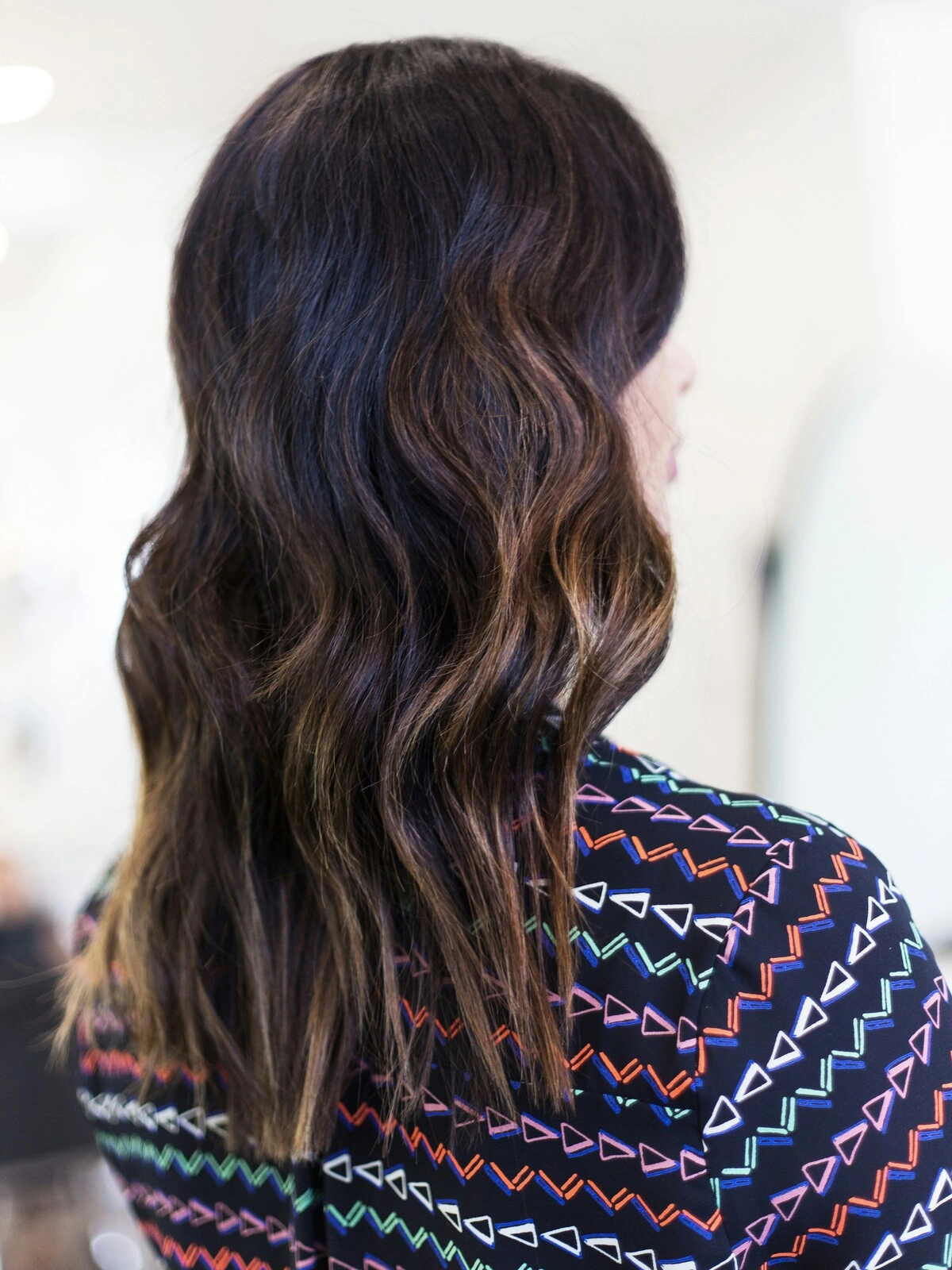
A few easy habits keep your balayage looking salon-fresh:
- Use a sulphate-free, colour-protect shampoo. Your colour will thank you.
- Apply a weekly hydrating mask for moisture.
- If you’re blonde, use a purple shampoo to fight brassiness (just don’t overdo it, unless you’re after a violet moment).
- Smooth in a light leave-in conditioner.
- Pop on a hat or use a UV-protect spray in the sun. Yes, your hair can get sunburnt too.
How long does balayage last?
Balayage lasts three to six months between touch-ups, sometimes longer thanks to those blended roots. There’s none of that tell-tale two-tone look that screams ‘overdue for the salon’. A toner refresh every 8 to 12 weeks keeps your colour true and brassiness at bay. You’ll usually only need a full touch-up once a year, depending on how fast your hair grows and how bold you want to stay.
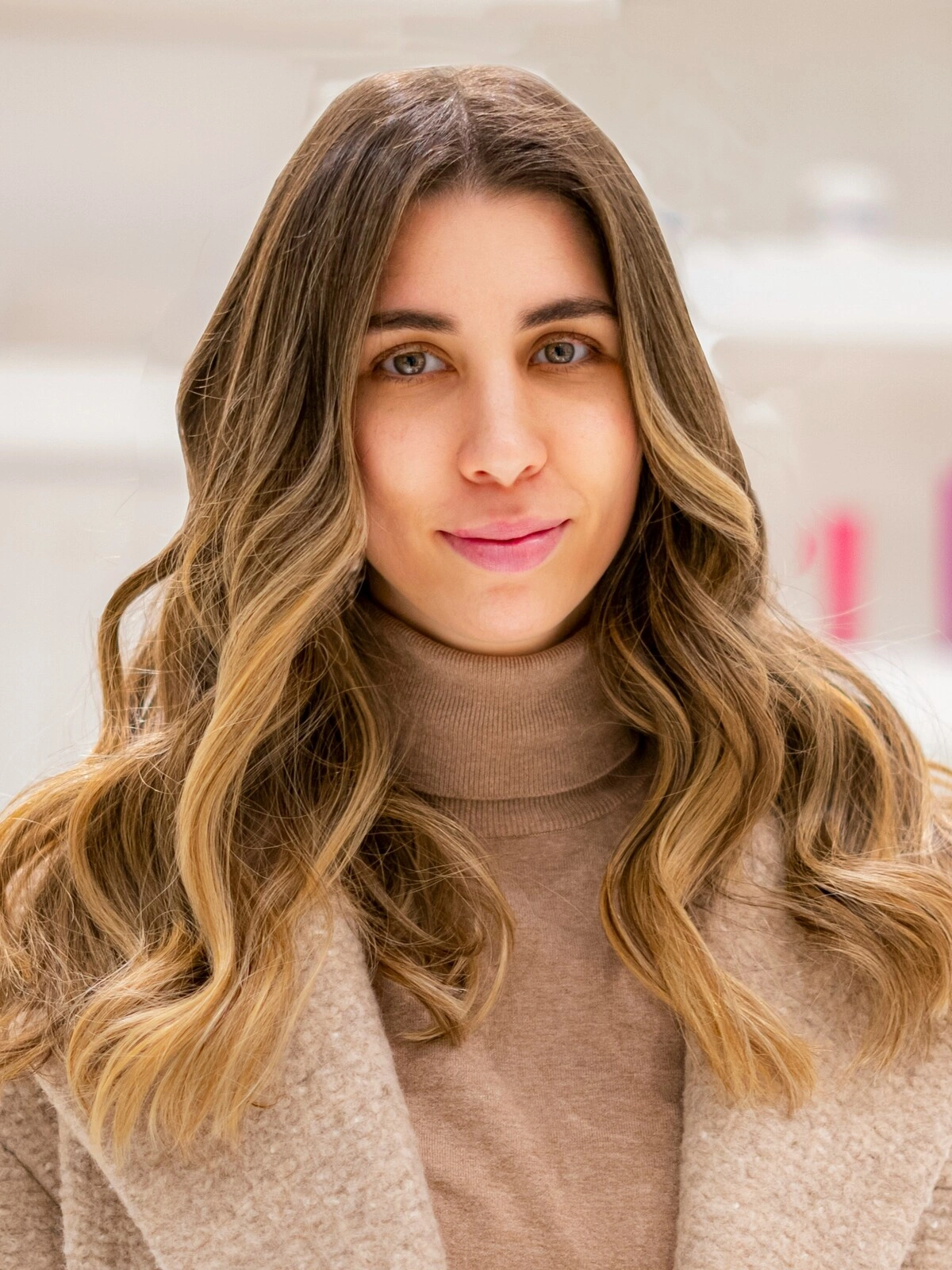
Toners refine your shade and correct brassiness without re-lightening, so they’re quick and easy on the budget, you’re in and out in under an hour. Full touch-ups lighten new sections or refresh faded areas, and they take a fair bit longer (basically a whole new appointment). Your optimal schedule comes down to your hair’s growth, porosity, and how it fades. The seasons play a part too, with summer sun and humidity speeding things up. A colour-refreshing conditioner can help you tide you over between visits.
Combining balayage with other treatments
Yes, balayage can be paired with other services, like keratin or bond-repair treatments, but timing matters. Colour usually comes first, because the chemicals in a keratin treatment can shift your shade slightly. Try a gloss or glaze after your balayage to add gorgeous shine and seal everything in. And steer clear of harsh chemical treatments straight after, to spare your strands the stress.
As a rule, balayage goes before any smoothing or keratin treatment, and it’s best to leave at least two weeks between high-lift colouring and other chemical services so your hair can recover. Spacing things out protects your hair and keeps it from turning crispy and over-processed, which nobody wants.
Balayage colour ideas to bookmark
The most-requested balayage looks right now are face-framing ‘money pieces’ (those brighter sections around your face that catch the light), soft browns, wheaty blondes, and creative tones like rose or peach. Your colourist will blend shades to suit your skin’s undertones, which makes the difference between looking radiant and looking a bit washed out.
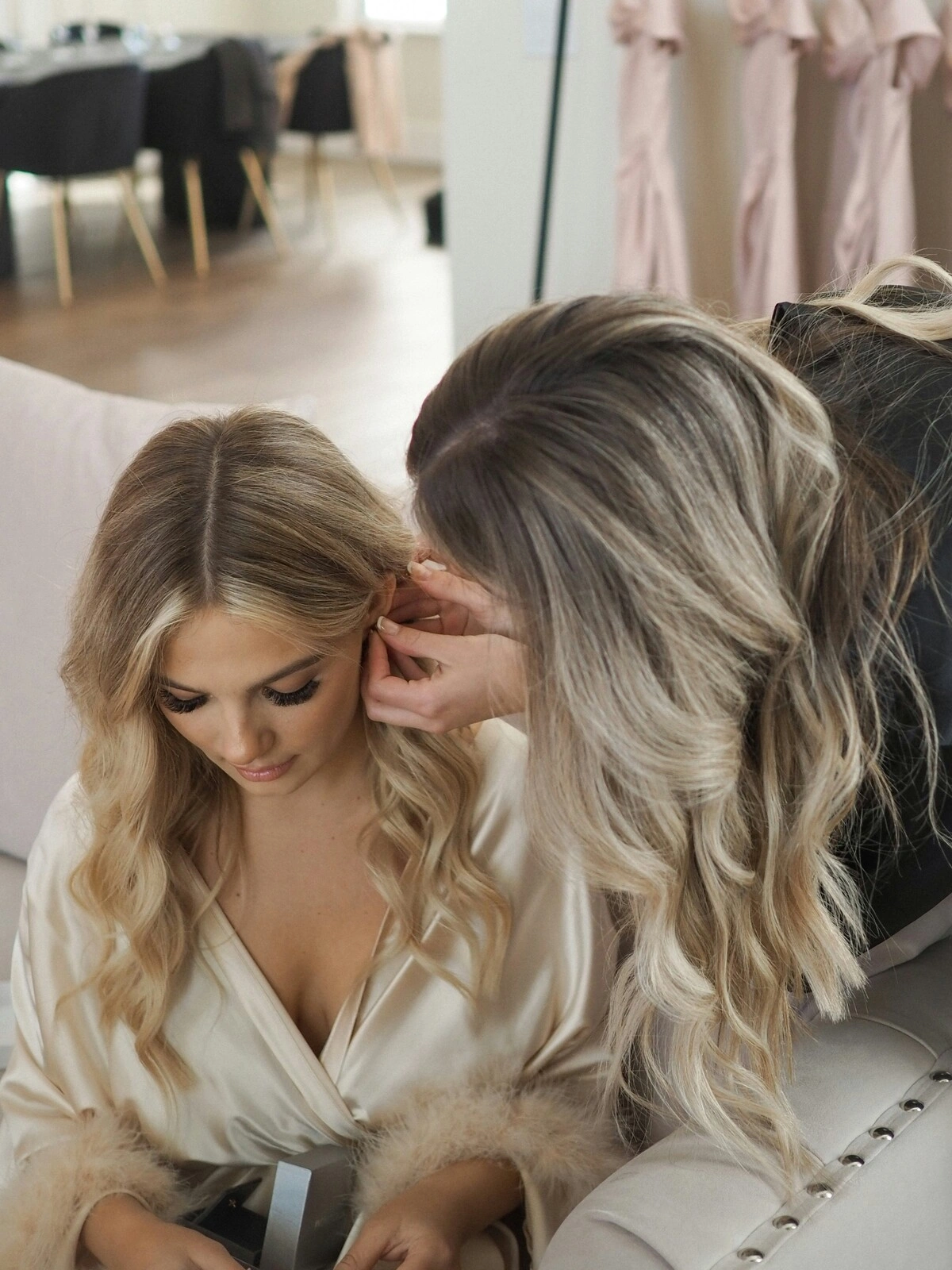
Brunettes, take note: caramel or honey highlights add warmth that flatters olive and golden skin, while chestnut and ash shades give cooler complexions a modern depth. Blondes can play with icy, platinum, and golden accents for extra brightness, and a root shadow softens regrowth while adding dimension. Whatever your shade, brighter, blended pieces around the face create that lit-from-within glow.
Feeling bold? Pastels like rose gold, peach, or lavender make a real statement, and copper or jewel tones are lovely if you fancy something different. Adding lowlights creates drama and contrast, making your lighter pieces pop even more.
How to find a great balayage colourist
Look for a colourist trained in freehand techniques with a strong portfolio to back it up. Check their portfolio for consistency, smooth root transitions, and results on hair similar to yours. Ask for unfiltered photos or videos if you can (those filters hide a multitude of sins).
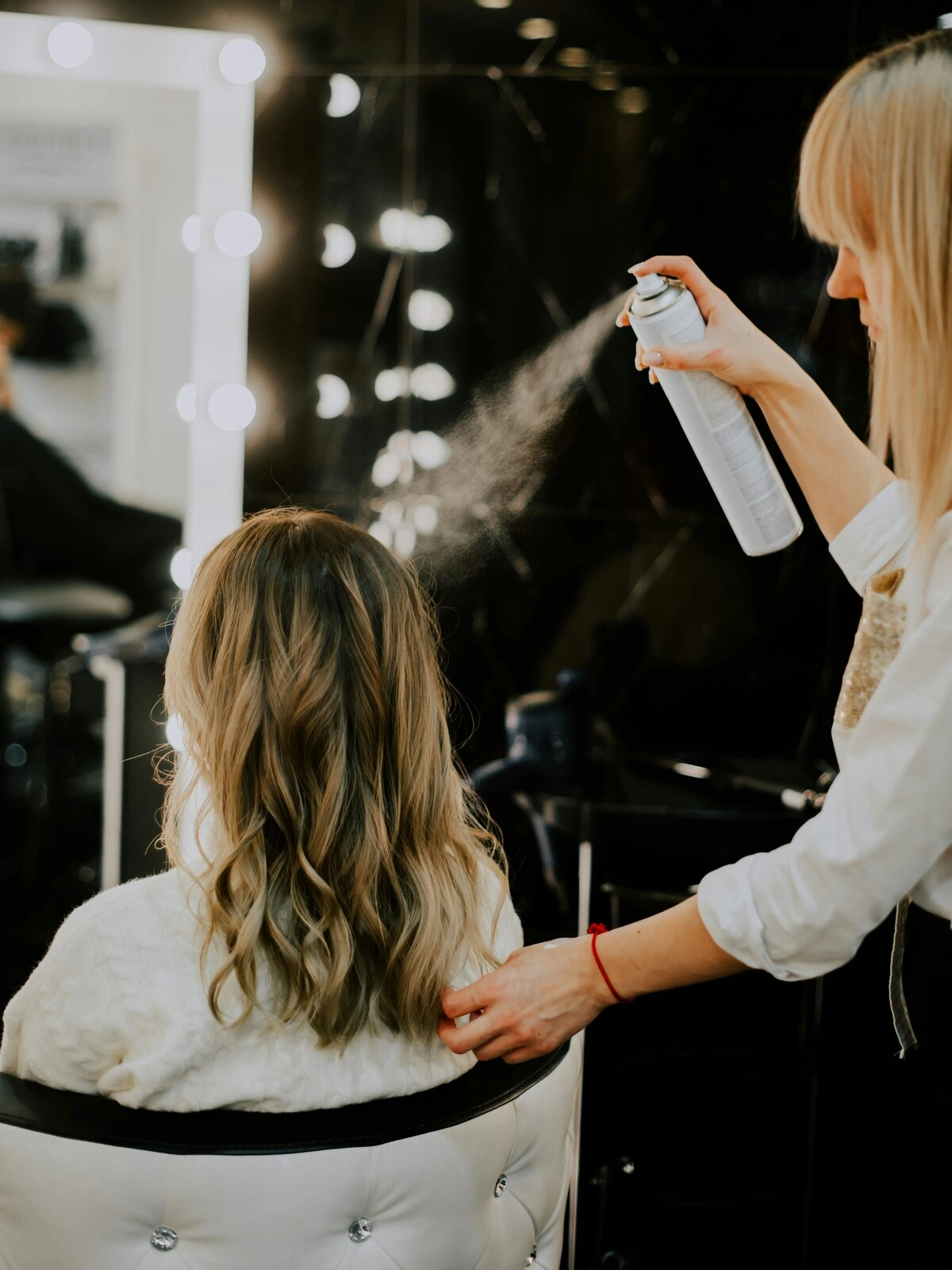
When you’ve chosen your colourist, a good consultation will cover your hair history, what you’re hoping for and your maintenance preferences. It may also include a strand test to check your hair’s health. Bring along photos of looks you love and ones you don’t, so there’s no room for crossed wires, what’s ‘honey’ to one person is ‘caramel’ to another. And if a colourist swears they can turn box-dye black into ice blonde in one session? Run.
Now you know your foilyage from your money piece, and more to the point, what balayage could do for your hair. The right colourist will give you that soft, sun-kissed finish that grows out like a dream and has people asking where you’ve been on holiday. Browse balayage specialists near you on Treatwell, read real reviews, compare prices, and book a slot that suits, this week, next weekend, whenever works.
FAQs
It's a freehand hair-colouring technique where colour is painted onto the mid-lengths and ends for a natural, sun-kissed effect with minimal root regrowth.
Expect to pay €90 to €195 or more, depending on your location and salon. Amsterdam prices sit at the higher end.
You can go three to six months (or longer) between full touch-ups, with optional toner refreshes every 8 to 12 weeks to keep things fresh.
Traditional foils create uniform, precise colour with visible regrowth. Balayage is hand-painted for softer, blended results that grow out without anyone noticing.
Absolutely, but you might need multiple sessions to lift safely to lighter shades without turning your hair into straw.
Sulphate-free shampoo, weekly masks, bond-building treatments, and a purple shampoo if you're blonde. Basically, treat it kindly.