
Noticed a few silver strands catching the light at your parting? You’re not alone (and honestly, it happens to the best of us). Grey roots are simply new growth that’s lost its pigment, and whether you want to cover them completely, blend them seamlessly or lean into the silver look, there’s an approach to suit every lifestyle. That’s where we come in.
What are grey roots and why do they appear?
Grey roots are new hairs that have lost their melanin, creating a silvery or white appearance right at the scalp. How noticeable they are depends on the contrast between your natural grey and any dyed hair (brunettes, we’re looking at you). Genetics mostly determines when greying starts, though lifestyle and hair type play their part too. Grey hair tends to grow coarser and drier, so it needs a little extra love compared to pigmented strands.

The science behind grey hair
Let’s get into the science. Over time, melanocytes in your hair follicles gradually stop producing melanin – the pigment that creates your hair colour. Hydrogen peroxide also naturally builds up too, and this can lighten hair from within. Stress and poor nutrition might speed the greying process up, but genetics is the biggest factor by far.
Grey hair has a coarser texture and more porous cuticle, meaning colour doesn’t always take evenly. This is why grey roots can behave differently to the rest of your hair when colour is applied. The texture just doesn’t grab pigment in the same way. Most colourists adjust their technique for grey coverage, using formulas with higher pigment concentration and sometimes longer processing times for proper saturation. It’s definitely worth leaving to the professionals. (We know a thing or two about that.)
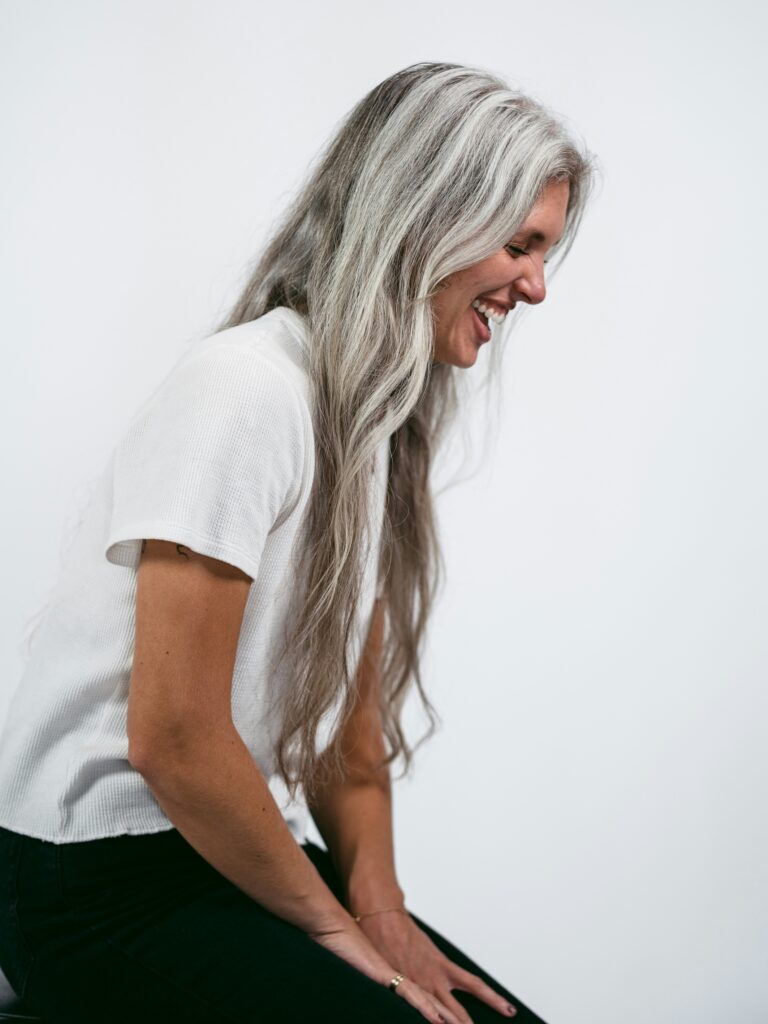
Grey roots after hair colouring vs. natural greying
After a colour appointment, grey roots can reappear within a couple of weeks because hair grows roughly half an inch per month. High-contrast looks make regrowth more visible, whilst undyed hair tends to grey with more balance overall. Grey roots show most where new hair growth is dense or easy to spot, like along your parting.
The 70% rule approach for managing grey hair roots
Guess what? You don’t have to choose between full coverage and going completely grey. This is where the 70% rule comes in. A colourist will leave about 70% of your natural grey visible and blend or colour the remaining 30%. This softens regrowth lines, means fewer touch-ups and keeps your hair healthier in the long run. It’s a gorgeous middle ground that more and more people are going for.
How the 70% rule eliminates harsh regrowth lines
Your colourist will use highlights or lowlights to blend the natural grey with coloured strands, minimising the stark contrast when your new hair grows. By matching partial colour to your grey, the result is a seamless effect that actually looks better as it grows.
The best part? You’re not scrambling for root touch-ups every three weeks and the grow-out phase looks flattering rather than obvious. If you’re tired of the maintenance treadmill but aren’t ready to go fully grey, this could be your sweet spot (we’ve seen so many people fall in love with it).

Is the 70% rule right for you?
The 70% rule works brilliantly if you’ve got mid-level or increasing grey and don’t mind some visible silver. And if you have high-percentage grey you can achieve a stunning salt-and-pepper look. This method makes the transition gradual and causes less damage than continuous full-colour treatments.
Book a grey blending appointment on Treatwell
Bridging the gap between salon visits
Let’s be real: life happens between colour appointments. Whether you’ve got an event that’s crept up or your roots are showing a little sooner than expected, there are a few temporary options that can tide you over. Root cover-up sprays and powders wash out in one shampoo and can buy you a few extra days before your next salon visit. Touch-up pens work for precise spots along the hairline or temples (a lifesaver when you’re in a rush).
The key word here is temporary. These quick fixes mask regrowth on the surface, but they can’t match the dimension, longevity or seamless blend of professional colour work. They’re your speedy solution for the in-between weeks, not a replacement for the real thing.
What about colouring at home?
Can you cover grey roots with an at-home dye? Technically, yes. But here’s what usually happens: the shade doesn’t quite match, the application is patchy (especially at the back, where you simply can’t see), and the chemicals in box dyes can be harsh on your hair. Over time, layering at-home colour builds up residue that makes your next professional appointment trickier and sometimes more expensive.
A colourist reads your natural grey pattern, selects the right developer strength, and blends everything so the grow-out looks intentional. It’s the difference between “managed” and “gorgeous.” Book a root touch-up on Treatwell and you’ll have fresh, even colour in around an hour, without the guesswork.
Book a root colour appointment on Treatwell
How often should you touch up grey roots?
Hair grows roughly half an inch per month (give or take). If there’s a big contrast between your dyed hair and grey regrowth, you’ll likely want a salon visit every three to four weeks for even coverage. Subtler differences? You can stretch to around six weeks between appointments. Just remember that over-processing causes dryness and damage, so finding your routine balance is the best thing you can do for your hair’s health.
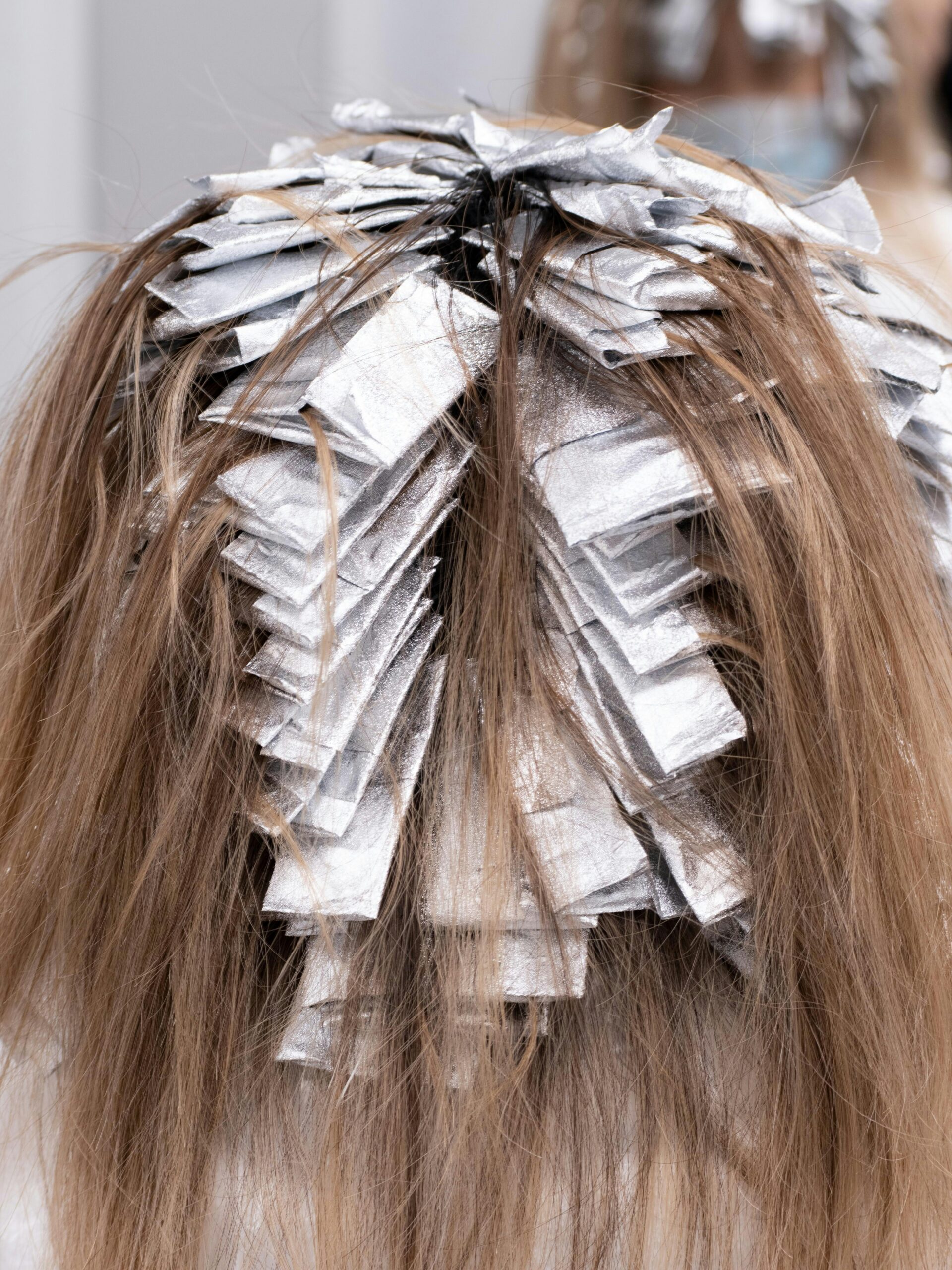
Touch-up schedule based on grey percentage
Under 25% grey typically means touch-ups every six to eight weeks. Between 25% and 50% grey, aim for every four to six weeks. Over 50% grey usually calls for appointments every three to four weeks to maintain coverage. If you opt for the 70% rule, you can extend the time between full colouring sessions considerably, which is a win for both your hair and your diary.
Tips to extend time between salon visits
Choosing shades close to your natural colour is the most effective strategy. Messy updos, braids, or a zig-zag parting can cleverly disguise regrowth in the meantime, whilst colour-depositing shampoos are designed to refresh faded tones between appointments. A good dry shampoo at the roots adds volume and texture whilst masking grey. If it’s sunny, grab a hat or UV-protectant spray to prevent colour fade and help your salon results last longer.
Best hair colours for covering grey roots
Hair dyes labelled “grey coverage” offer extra pigment and stronger developer options, so they’re worth asking about at your appointment. Medium or warm browns tend to be softer for regrowth than jet black, and there are special formulas for redheads and blondes too (because grey doesn’t play favourites). Root-shadowing is a technique that targets regrowth specifically, using a toner or semi-permanent dye to blend the root area naturally so the grow-out is kinder.

Understanding grey coverage formulas
Grey coverage formulas have a higher concentration of pigment and are applied with a stronger developer, which can open the stubborn cuticles of grey hair and deposit the pigment. Semi-permanent options will work for moderate grey, but you’ll need permanent colour for 100% coverage. Strand tests are essential to avoid mismatches, and this is something your colourist will always do before committing to a shade.
Colour shade recommendations by natural hair colour
Brunettes often do well going one shade lighter to reduce contrast and create a softer grow-out. Blondes benefit from adding lowlights for dimension rather than all-over colour. Redheads need copper-specific formulas to restore vibrancy, since red fades fastest (the struggle is real). If you need to combat brassiness, ash-based or warm browns will create softer regrowth.
Consider your skin tone, current hair colour and grey percentage when choosing a shade. What looks like “light brown” to one person could be “dark blonde” to another, so bring reference photos to your appointment. Your colourist can match the tone to your complexion and advise on what will complement your hair colour.
How to grow out grey roots gracefully
Letting your natural grey emerge doesn’t have to be an awkward process (we promise). Transitional highlights, lowlights or balayage can ease the journey. You can use toners and colour-depositing shampoos to reduce any stark contrast, whilst regular trims speed things up by removing old dyed ends. If progress feels slow, try keeping a grow-out diary to track the change and see the results.
Transitional colour techniques
Adding highlights or lowlights creates a salt-and-pepper balance that makes new grey growth far less jarring. Balayage hand-paints colour for a gentle transition with maximum control. Grey blending targets select areas for partial coverage, causing less damage than all-over colour and giving you a lived-in, effortlessly chic result.
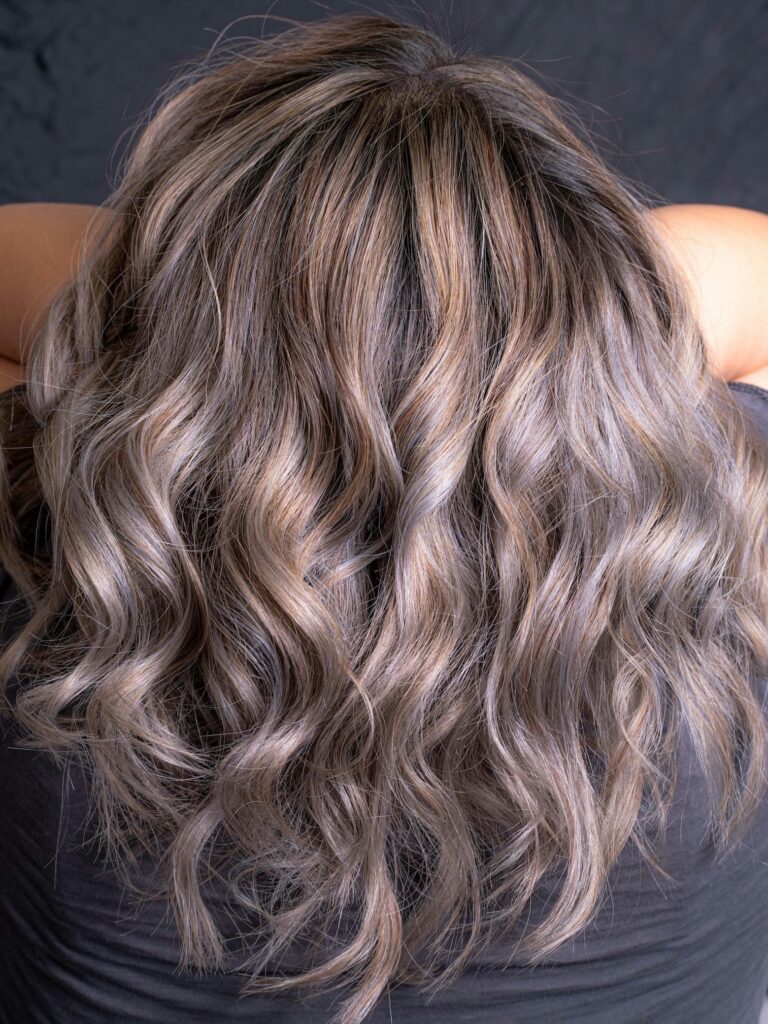
The big chop vs. gradual grow-out
A “big chop” removes old dye from your lengths and reveals your grey immediately, but it does mean shorter hair. It’s dramatic, liberating, but not for everyone (and that’s completely fine). Gradual grow-out takes longer, blending new grey with colour for those who prefer to keep their length. There’s no wrong choice here. It’s about what feels right for your lifestyle and confidence.
Products that enhance natural grey during transition
Purple shampoo neutralises yellow tones and brightens silver. Glosses add the shine that grey hair sometimes lacks (hello, radiance). Heat protectants and hydrating serums help counteract dryness, whilst toners fine-tune your grey to eliminate unwanted warmth or coolness. Your colourist can recommend the right products for your specific shade of silver.
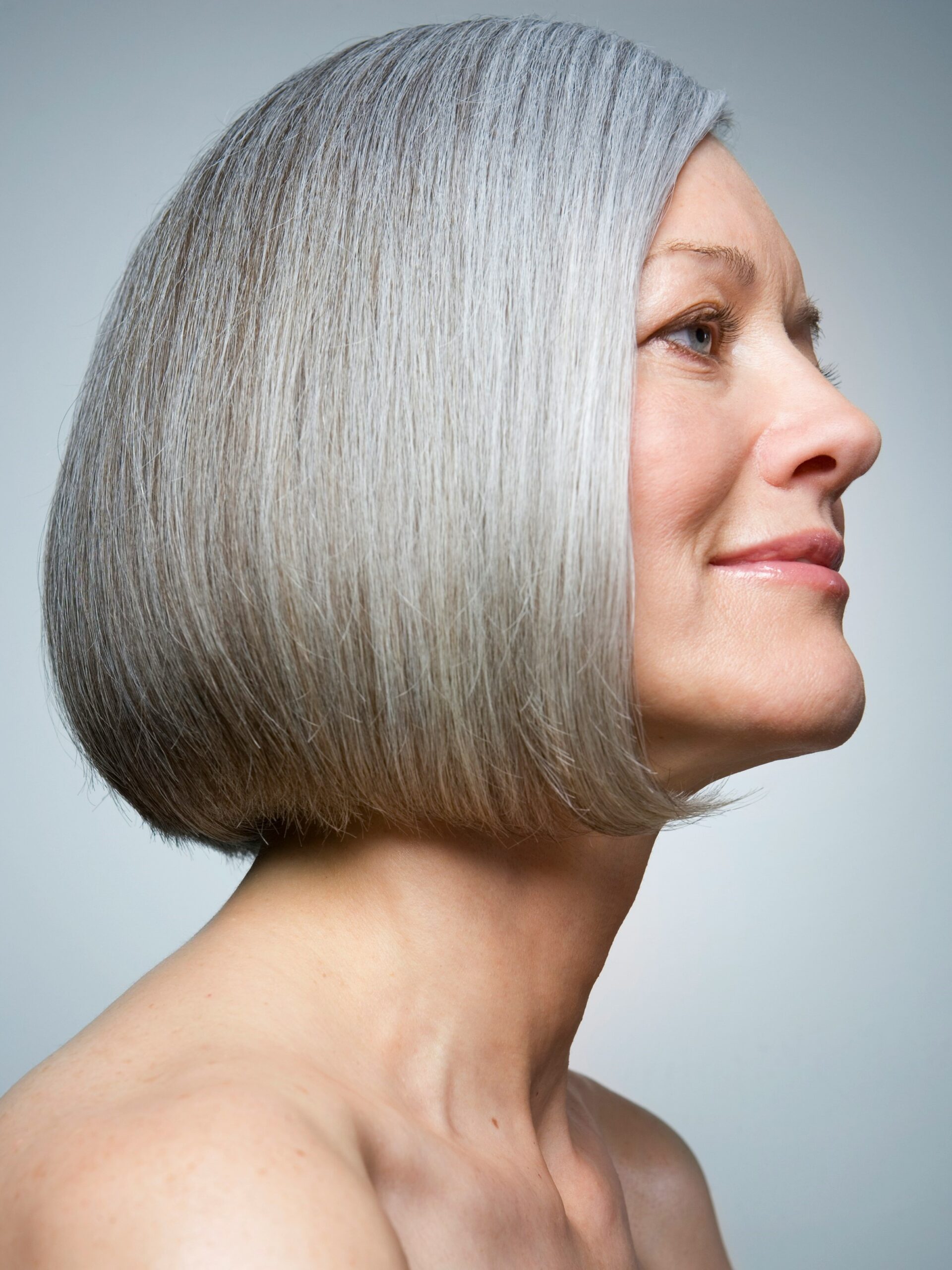
Professional salon options for grey root management
In the salon is where the magic really happens. Colourists are the experts. They know the correct dye application, developer strengths, and blending techniques that are almost impossible to replicate at home. Plus, professional colour work tends to be more cost-effective and less damaging long-term than frequent at-home fixes (yes, really). You can also add conditioning treatments during salon visits to boost your hair’s resilience, helping colour last longer and hair stay healthier.
Full grey coverage services
Looking for full grey coverage? Single-process adds colour to the whole head uniformly, and is ideal for covering grey and touching up roots. Double-process might be needed for particularly resistant strands. This method is where the grey hair is pre-softened with a developer to open the cuticles before the colour is applied (it all happens in one visit).
You’ll need a salon appointment every four to six weeks depending on your grey percentage and how quickly your hair grows. Conditioning treatments are often included, so you walk out with colour and condition sorted in one visit.
Grey blending and camouflage techniques
Blending and lowlighting create a harmonious salt-and-pepper look that grows out gracefully. Ammonia-free formulas offer gentler options for sensitive scalps, and partial coverage is increasingly popular for anyone seeking a stylish blend rather than full coverage. It’s one of the most requested services right now, and for good reason.
Find a colourist near you on Treatwell

Hairstyles and styling tips to minimise grey root visibility
Between colour appointments, a few clever styling tricks can make a real difference. Zig-zag parts, side sweeps, and added volume at the crown all help to disguise regrowth. Accessories like headbands, scarves and hats offer an easy way to stretch the time between visits. Adjust your styling products based on seasonal humidity or dryness for the best results.
Strategic parting and styling
Off-centre or zig-zag parts break up visible lines rather than creating one stark regrowth stripe. Teasing the crown adds volume whilst camouflaging roots, and styling hair back or half-up naturally hides new greys. For quick fixes between proper colour appointments, a root pen can target the most visible areas in seconds.
Accessories that help hide roots
Headbands provide excellent hairline coverage, whilst scarves and bandanas work a treat for the crown. Hats offer full scalp concealment during root emergencies (we’ve all been there). Barrettes and clips can be styled to direct attention away from your roots and towards your face.

Expert tips: what hair professionals say about grey root care
Moisture is key for grey hair. Use a deep conditioning treatment weekly, since grey strands are naturally drier and thirstier for hydration. Choose colour formulas specifically designed for grey coverage rather than standard options, and allow your scalp proper recovery time between colourings to prevent irritation. Purple shampoo is a colourist favourite for counteracting brassiness, and a gloss treatment can restore the shine that grey hair sometimes loses. The big trend right now? Grey blending, with innovative colour-safe products making it easier than ever.
Common grey root mistakes to avoid
Over-processing and frequent chemical use lead to dryness and breakage, so your hair needs recovery time between treatments. Ignoring shade undertones can result in brassiness or even green tinges, particularly with blonde or ash shades (not the look anyone’s going for). Skipping strand tests risks allergic reactions or unexpected colour results. And underestimating the commitment of ongoing maintenance leaves people frustrated when upkeep becomes a chore. A good colourist helps you plan a realistic schedule from the start.
Trends in grey hair management
Blending and acceptance of natural grey are rising rapidly, with silver and salt-and-pepper looks gaining popularity across all age groups. Products designed to soften resistant grey keep improving, with new colour-safe shampoos, glosses and treatments launching regularly. The grey hair movement on social media has shifted perceptions, and grey is now very much a style choice rather than something to hide. So whether you’re covering, blending or embracing, you’re in excellent company.
| Method/Product | Coverage duration | Ease of use | Cost | Hair damage level | Best for |
|---|---|---|---|---|---|
| Root cover-up sprays | 1 shampoo | Very easy | Low | Minimal | Quick fixes; covering broad areas of regrowth |
| Root touch-up pens/mascaras | 1 shampoo | Easy, precise | Low | Minimal | Targeting small sections (temples, hairline) |
| Semi-permanent dye | 2–4 weeks | Moderate | Low–medium | Low | Blending early greys without ammonia |
| Permanent dye (at-home) | 4–6 weeks | Moderate | Low–medium | Moderate | Those seeking full coverage at home |
| Professional salon colour | 4–8 weeks | Professional | Medium–high | Low–medium | Resistant greys, customised results |
| 70% rule technique | 4–8 weeks | Professional | Medium–high | Low | Smaller commitment, softer regrowth |
| Growing out natural grey | N/A | Simple, lengthy | Low | None | Fully embracing grey, minimal upkeep |
You’ve got all the information you need now, from blending techniques and salon services to clever styling tricks that keep you looking fresh between appointments. The right colourist will assess your grey pattern, match the perfect shade to your skin tone and create a result that will work for you. Browse salons near you on Treatwell, read reviews, compare prices, and book for whenever suits. Your hair deserves expert care, and gorgeous grey coverage is just a few taps away.
Find a grey coverage colourist near you on Treatwell
FAQs
It means leaving 70% of your grey visible and colouring just 30% to blend. Fewer touch-ups, softer regrowth, healthier hair overall.
Every three to four weeks for high contrast or lots of grey. Subtler blending can stretch to six weeks.
Professional salon colour gives the most seamless, long-lasting results. Between appointments, root sprays offer quick coverage and touch-up pens work for precision spots.
Absolutely. Highlights, lowlights, and the 70% rule all create stunning looks that grow out gracefully.
Usually two to four weeks, depending on how quickly your hair grows and the contrast between the grey and coloured hair.
Any colouring causes some stress to the hair, but spacing treatments properly, using gentler formulas and conditioning regularly keeps damage minimal. A good colourist will always prioritise your hair’s health.