
Dreaming of sleek, glossy hair that doesn’t frizz the moment you step outside? You’re not alone. Keratin treatments have become the go-to for taming unruly locks without permanently altering hair structure. Professional stylists swear by them for boosting shine, slashing styling time and making hair actually behave. Whether you’re battling humidity on your morning commute or just tired of wrestling with a straightener every single day (we feel you), this guide covers everything you need to know.
What is a keratin hair treatment?
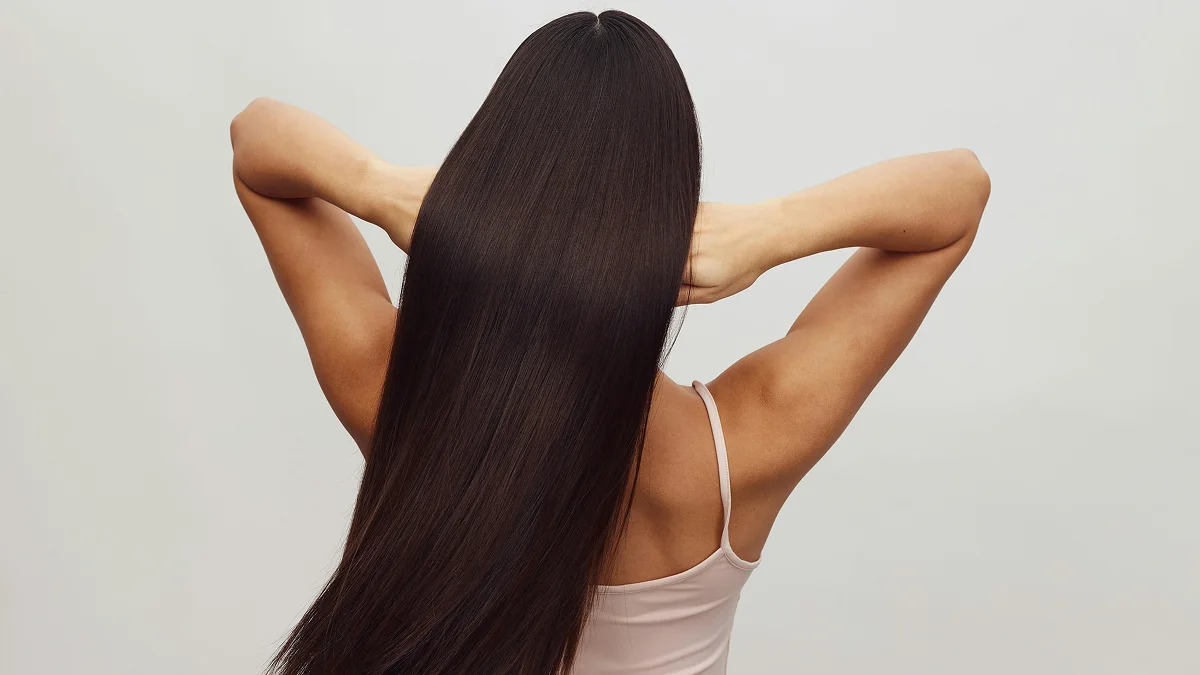
A keratin treatment is when a protein-rich formula is applied to your hair before being sealed with heat. Keratin is the main natural protein in your hair, giving it strength and elasticity, but environmental damage and chemical processing deplete your natural keratin stores over time, leading to frizz and dullness (sound familiar?). This treatment gives your hair a sleeker appearance and creates a barrier against humidity. Plus, treatments can be customised for smoother roots or textured ends, so you’re not locked into one look. Results can last two to six months depending on the formula, your hair type and how well you look after it.
The science behind keratin and your hair
Daily heat styling and colouring break down the keratin proteins that give hair its structure and shine. Keratin treatments help by bonding external proteins to the hair cuticle, filling microscopic gaps and reinforcing fragile sections. It’s protein chemistry working in your favour. The question is, which type will work best for your particular hair?
Types of keratin treatments available
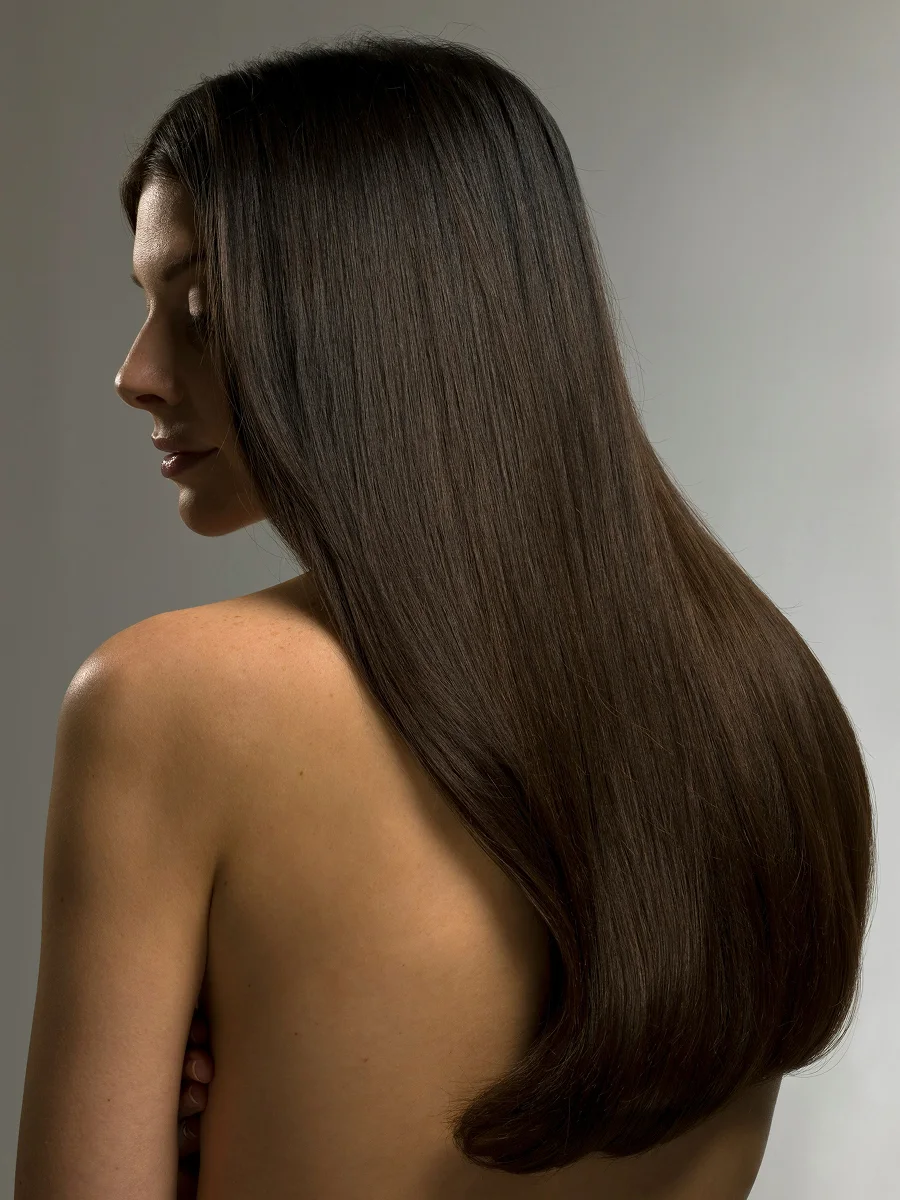
Brazilian Blowouts and traditional keratin systems often contain formaldehyde for longer-lasting results. You can opt for gentler formaldehyde-free treatments but they don’t last as long. Similarly, express treatments shorten salon time but won’t hold up for months.
Fancy DIY? You could attempt a keratin treatment at home, but the quality of kits varies wildly, the fumes can be unpleasant without proper ventilation and getting even application on your own hair is harder than it sounds (the back of your head is nobody’s strong suit). A professional stylist knows exactly how much product to use, how long to leave it and how to work with your specific hair type. That expertise is what separates “fine” from “absolutely gorgeous”.
Benefits of keratin hair treatments
Keratin treatments significantly reduce frizz by sealing out humidity, the chief culprit behind flyaways, while the protein reinforcement fills porous spots that cause breakage. Your shine and smoothness will increase dramatically while your blow-drying time will be cut in half. You’ll also rely less on heat tools since hair behaves without constant coaxing (the dream).
The treatment works across diverse hair types, whether you’re battling coarse curls or limp waves. Curly and wavy hair see the most notable improvements, often transforming poofy or rough textures into sleeker, more manageable strands.
Time-saving styling benefits
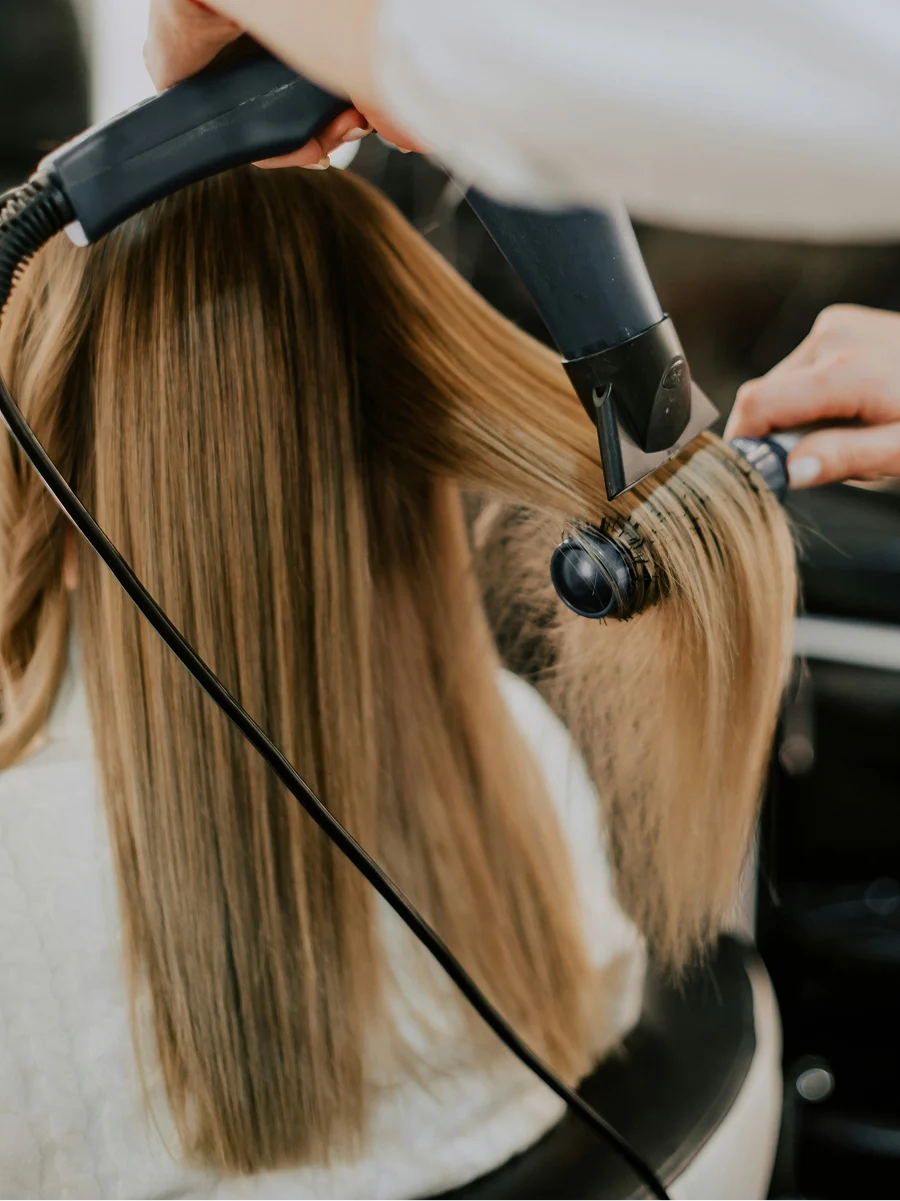
Keratin-treated hair dries faster and styles with less fuss, so your morning routine shrinks. The smoothing effect gives a polished look even if you’re just running your fingers through it (a lifesaver when you’ve hit snooze three times and need to look presentable in ten minutes).
Who should get a keratin treatment?
Keratin treatments are ideal for:
- Thick, coarse or curly hair seeking manageability
- Wavy hair wanting smoother texture
- Colour-treated hair needing damage control
- Any hair battling chronic frizz, dryness, or dullness
Once you factor in reduced styling time and fewer anti-frizz products that never quite deliver, the value becomes pretty clear.
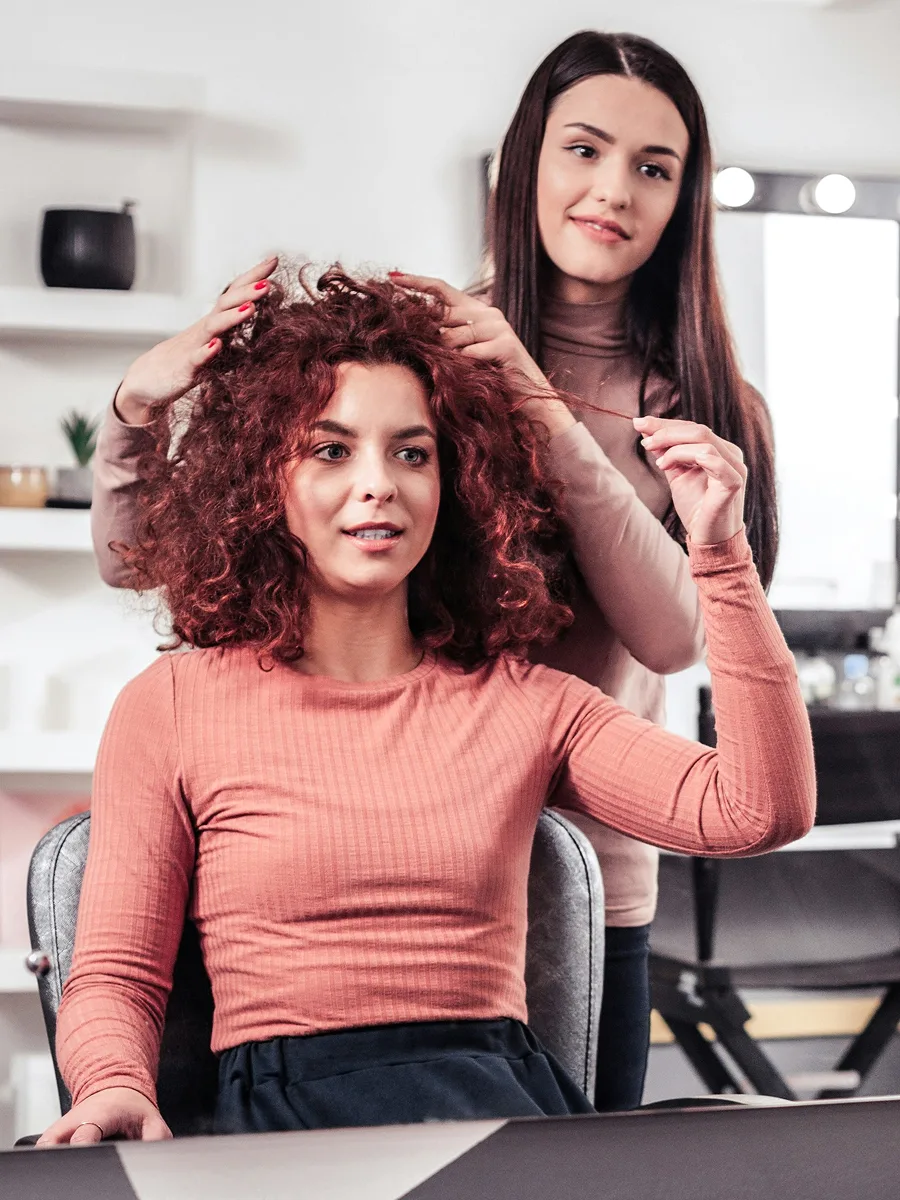
Thick or curly hair gains the most dramatic improvements. Wavy hair can achieve that coveted smooth-but-still-textured look without going completely flat. Colour-treated hair responds particularly well, provided it’s not severely damaged.
Who should avoid keratin treatments?
This bit is important. After a keratin treatment, very fine or thinning hair can become limp and lifeless, losing what little volume it had. Severely damaged or over-bleached hair may worsen with additional chemical processing, leading to breakage you can’t style around. Pregnant or breastfeeding individuals should steer clear due to formaldehyde exposure risks, and those with asthma or chemical sensitivities need to exercise caution about salon fumes.
If you’re unsure whether your hair can handle it, ask at the salon first. A good stylist will be upfront about whether keratin is the right move for you.
Potential side effects and safety concerns
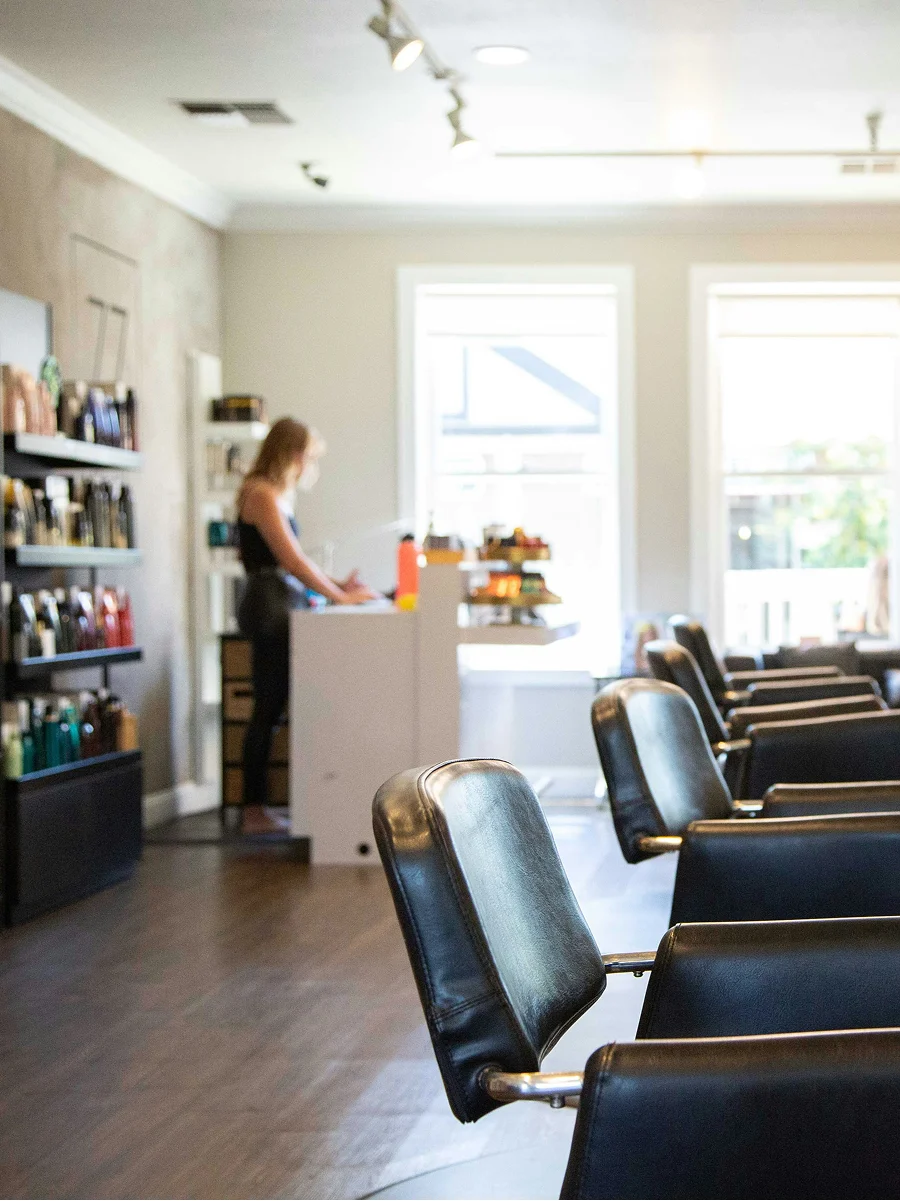
Formaldehyde is the big one. Many formulas release it as a gas under heat, posing inhalation risks, especially in poorly ventilated salons. You might experience eye or throat irritation during application, allergic reactions if you’re sensitive to ingredients, or weakening of hair structure if treatments are overused or misapplied.
That sounds a bit scary, we know, but here’s the reassuring bit: formaldehyde-free options exist and are increasingly popular. They don’t last quite as long, but they’re significantly safer. Either way, choose salons with proper ventilation (windows that actually open, not just a ceiling fan), and don’t be shy about asking what’s in the formula. A reputable stylist won’t get defensive about ingredient questions.
Risks for damaged or bleached hair
Chemically processed hair is more porous and vulnerable to additional stress. If your hair is already compromised from bleaching, relaxing, or excessive heat damage, keratin treatments can push it into breakage territory. Think back about your recent chemical services, check for existing breakage (does hair snap when wet?), and consider protein or deep conditioning masks for several weeks before treatment if your strands feel weak or stretchy.
How long do keratin treatment results last?
Results usually last two to six months, varying based on hair type, product choice and aftercare. Touch-ups may be needed when smoothness fades and frizz creeps back. Sun exposure, salt water and chlorine can shorten the treatment’s lifespan, sometimes dramatically if you’re a regular swimmer or beach lover.
Here’s how to extend longevity:
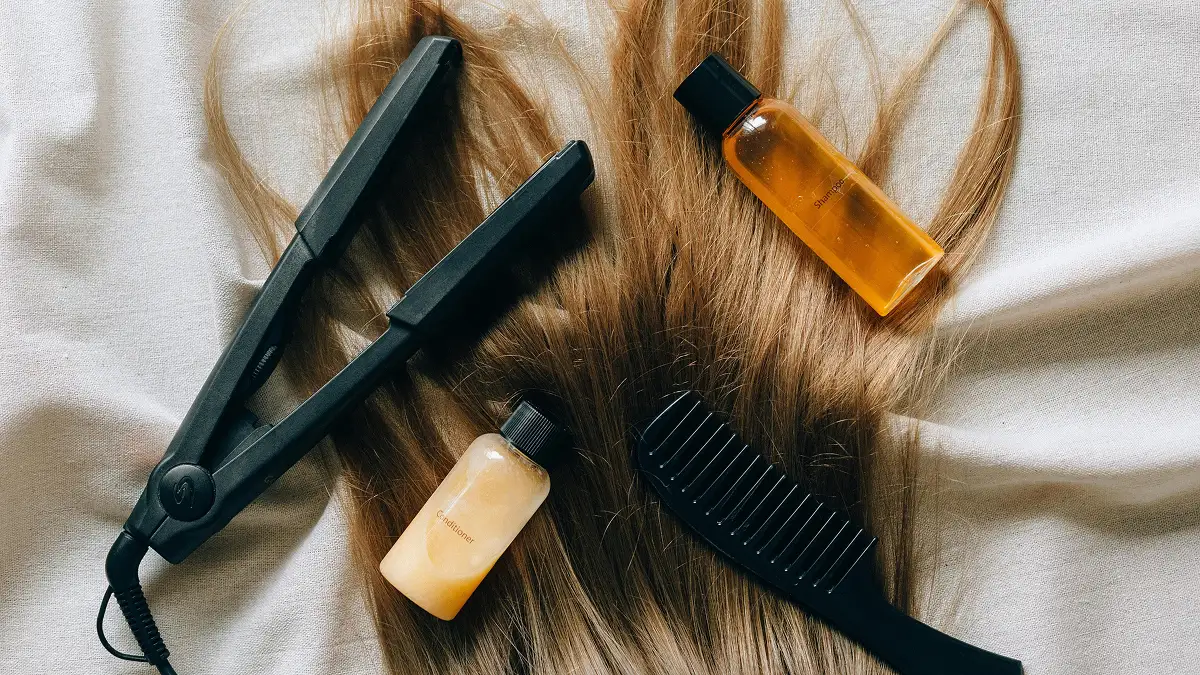
- Use sulphate-free shampoos exclusively
- Wash less frequently (a good dry shampoo becomes your new best friend between washes)
- Limit heat styling
- Avoid harsh products or additional chemical treatments
High porosity hair may need extra care since it’s naturally more vulnerable to losing that protein coating.
When to schedule your next treatment
Schedule a touch-up when noticeable frizz reappears or your hair loses its smoothness. Most people find the sweet spot is three to six months between sessions, though your individual needs might differ. Some lucky people stretch treatments to eight months, whilst others need refreshing sooner.
Book your keratin treatment on Treatwell
Keratin treatment aftercare: how to make results last
Aftercare makes or breaks your keratin investment. Avoid washing or tying hair for 48 to 72 hours post-treatment to allow the keratin to fully bond. Switch to a satin or silk pillowcase to prevent friction that roughs up the cuticle, and commit to keratin-safe products from day one. If minor frizz returns earlier than expected, take another look at your product routine and how often you’re washing your hair before assuming the treatment failed.
Sulphate-free shampoos and conditioners are essential here. Add keratin-enriched conditioners to reinforce the treatment, a leave-in serum for moisture and shine, and always use heat protectants if styling with hot tools. These products extend results by protecting that protein coating you’ve invested in.
Common aftercare mistakes to avoid
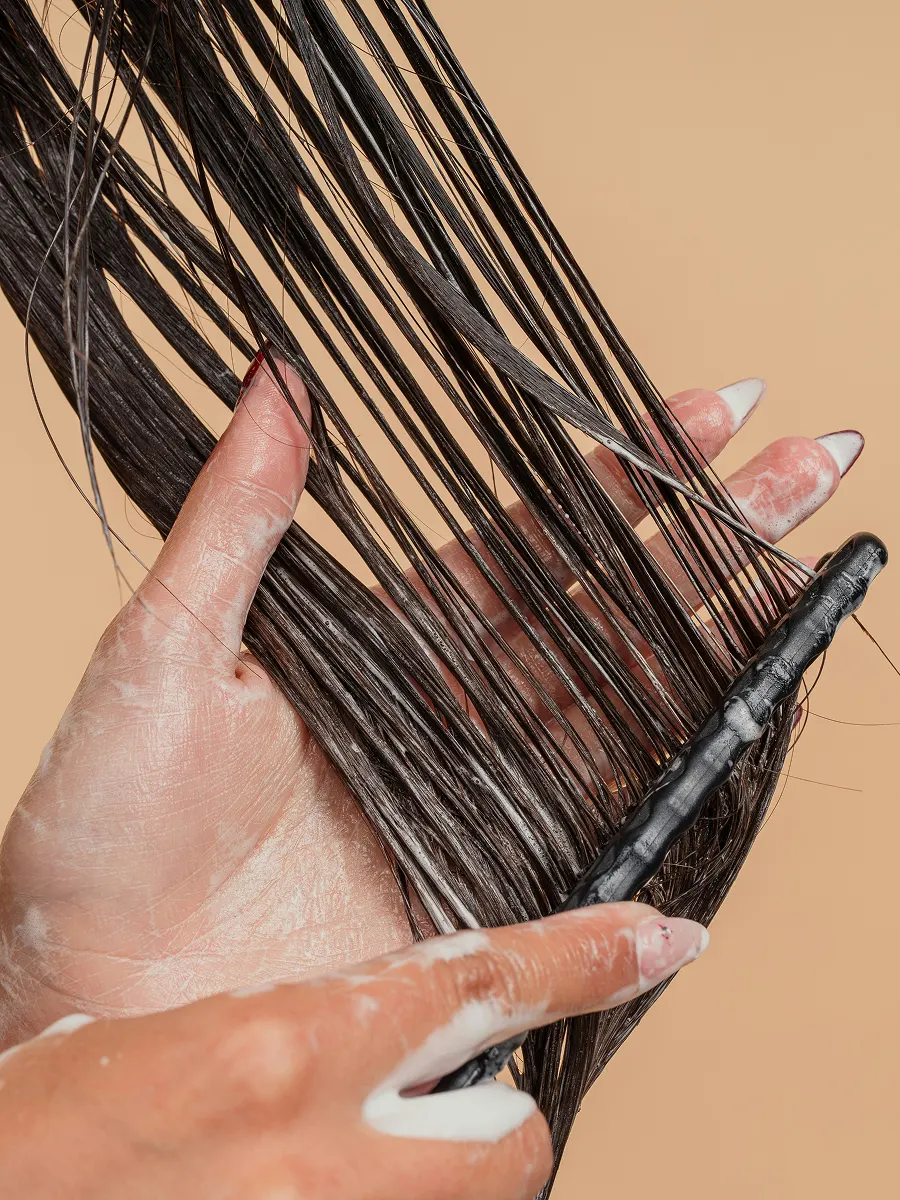
Frequent washing strips away keratin faster than anything else, yet many people stick with their pre-treatment wash schedule out of habit. Shampoos containing sulphates or sodium chloride are particularly destructive, essentially scrubbing the treatment out. Skipping conditioner leads to dryness and defeats the purpose, whilst overusing heat tools gradually reduces longevity. People who baby their treated hair for the first month see dramatically longer-lasting results.
Choosing the right keratin treatment: questions to ask
Before committing, nail down the specifics. Ask what ingredients are in the treatment, whether it’s formaldehyde-free (and if not, what the ventilation situation is), what their experience level is with your hair type, and whether you can see before-and-after photos of similar hair. Discuss realistic goals rather than showing a photo of someone with completely different hair genetics (tempting, but it helps to keep expectations grounded).
Bring photos of what you like as well as what you definitely don’t want. Be specific about concerns like maintaining some wave versus going completely straight, or whether you’re worried about losing volume.

Red flags to watch for at salons
Poor room ventilation is the biggest red flag. If you can’t breathe comfortably during application, that’s a problem. Reluctance to share formula details or ingredient lists suggests they’re hiding something. Exaggerated promises like “permanent straightening” or “works on all hair types” are worth questioning, since keratin is temporary and doesn’t suit everyone.
How to find a reputable keratin treatment specialist
Look for licensed stylists with specific keratin certifications, not just general hairdressing qualifications. Read reviews and seek recommendations from people whose hair you actually admire (that friend with the impossibly glossy blowout? Ask her where she goes). Trust your gut. If something feels off about the salon, keep looking.
Find a keratin treatment specialist near you on Treatwell
Keratin treatment for colour-treated hair: what you need to know
Keratin treatments can enhance shine in colour-treated hair and help seal in pigment, creating a protective barrier around colour molecules. However, some fading is possible, especially with vibrant or fashion colours already prone to washing out. We recommend waiting at least two weeks after colouring before applying keratin, giving your hair a chance to recover from one chemical process before introducing another.
The optimal sequence is colour first, then keratin. Waiting that fortnight between services allows the hair cuticle to settle and reduces cumulative chemical stress. Rush the timing and you risk compromising both the colour and the keratin treatment.
Keratin treatment vs. other smoothing treatments
Keratin treatments differ fundamentally from relaxers or Japanese straightening, which permanently alter hair bonds through chemical restructuring. Keratin is temporary and protein-based, gradually fading with time and washing rather than requiring grow-out. It’s considerably more affordable and less harsh than permanent chemical straighteners, though you’ll need repeat sessions every few months. The trade-off is flexibility. If you don’t like the results or want your natural texture back, you’re not stuck with it forever.
Deep conditioners hydrate hair temporarily for days or weeks. Keratin treatments fortify with protein for months of smoothing and structural improvement. For long-term frizz reduction, keratin wins. For a quick moisture boost before a special event, deep conditioning is your best bet.

How often should you get a keratin treatment?
Allow three to six months between treatments to avoid protein overload, which makes hair stiff, brittle and prone to snapping. Excess protein throws off your hair’s moisture-protein balance (you can have too much of a good thing). Use at-home keratin maintenance products between sessions and check with your stylist about optimal timing based on how quickly your results fade.
Plan your keratin schedule around seasonal humidity spikes or major events where you want guaranteed good hair days. Another pro tip: if you also colour your hair, coordinate alternating services properly. Just remember to adjust the frequency based on how your individual hair responds rather than following a rigid schedule.
| Comparison | Keratin treatment | Other smoothing methods |
|---|---|---|
| Duration | 2–6 months | Variable (3 months to permanent) |
| Chemical bonds | No structural change | Breaks/re-bonds hair (relaxers) |
| Customisation | Yes (roots/ends control) | Limited |
| Formaldehyde | May be present (ask your stylist) | Varies |
Now you’ve got the full picture on keratin treatments, from what they do to how to look after your results. The right stylist will assess your hair type, recommend the best formula, and have you walking out with the kind of glossy, frizz-free hair that makes people ask what your secret is. Browse salons near you on Treatwell, read reviews, compare prices, and book for whenever suits.
Book your keratin treatment on Treatwell
FAQs
How does a keratin hair treatment work?
Keratin proteins bond to damaged areas during heat application, sealing the cuticle for smoothness that lasts months rather than days.
How long do the effects of a keratin treatment last?
Typically two to six months, fading gradually as the protein coating wears off with washing and general wear.
Are there any side effects of keratin treatments?
Formaldehyde-containing formulas can irritate eyes and airways, whilst overuse may cause dryness or breakage. Ask about formaldehyde-free options if you’re concerned.
Can I do a keratin treatment at home?
At-home kits exist but rarely match salon results and pose safety risks without proper ventilation. This is one best left to the professionals.
Will a keratin treatment make my curly hair straight?
It smooths and loosens curls but won’t make hair poker-straight unless combined with other chemical straighteners.
How much does a keratin treatment cost in the Netherlands?
Typically €150–€350+ depending on salon reputation, hair length and where you are in the Netherlands. Confirm exactly what’s included before booking to avoid surprise charges.
Can I swim after getting a keratin treatment?
Swimming exposes hair to salt or chlorine that accelerates fading. Use a swim cap and rinse immediately afterwards if you can’t avoid the pool entirely.