
Picture the scene. It’s a lazy fortnight off work, the razor stays in the drawer, and by day ten you catch your reflection and think: hang on, is that a moustache? (It can happen.) Whether it started by accident, for Movember, or because you want to rock the latest red carpet look, the upper lip is having its biggest moment in decades.
The tricky part is knowing what to do next. Chevron, horseshoe, Hungarian, beardstache: there are a wild number of moustache styles out there, and plenty of mislabelled ones online. Some need nothing more than a comb, while others ask for months of patience and a tin of wax. Where to begin? Right here.
Below you’ll find every style you’re likely to see on the street and in the barber’s chair. We’ll also cover how to pick one that suits your face and your growth, how long each takes, and how to keep yours looking sharp not scruffy.
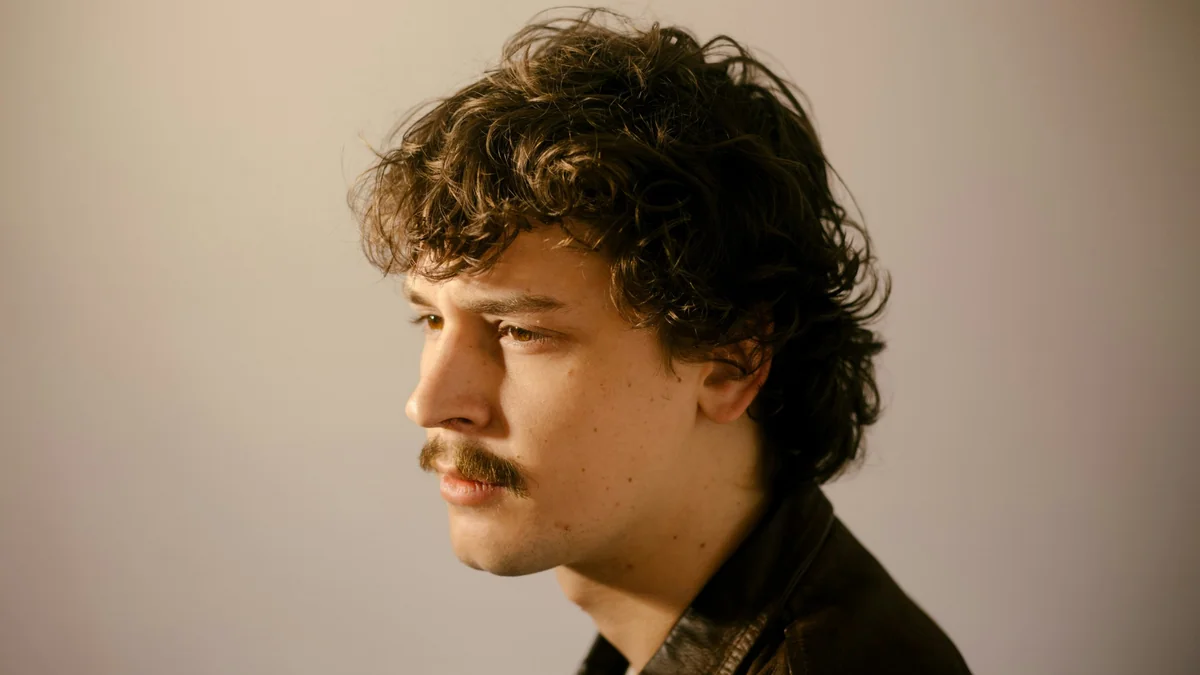
Types of moustache: the four families
A moustache style is simply the length, shape and finish you give the hair on your upper lip. Most styles fall into one of four families, and knowing which one you’re drawn to makes choosing (and explaining it in the barber’s chair) much easier:
- Natural styles grow mostly as nature intended, shaped with trimming and combing but no wax.
- Thin styles keep a slim line of hair above the lip and leave the rest clean-shaven.
- Handlebar styles grow the ends longer and shape them with wax into curls, points or swoops.
- Combos pair the moustache with some beard hair, whether that’s light stubble or strips down to the chin.
The families also give you a rough guide to commitment. Natural styles are the gentlest introduction, thin styles need the most frequent tidying, and handlebars need the most length (and the most patience, sorry). Combos sit in the middle, depending on how much beard comes along for the ride.
How to choose a moustache style
The best moustache style is the one your face can grow, your features can carry and your routine can maintain. Here’s how to weigh up all three before you commit.
Start with what your face actually grows
Your growth pattern matters more than any trend. Barbers suggest letting everything grow for a couple of weeks before you decide anything, including the areas you don’t plan to keep. That way you can see where your hair grows strongest and how dense it is before any shaping starts.
Dense, even growth across the whole lip opens the door to fuller looks like the chevron or walrus. If your hair grows strongly in the middle but thins out at the corners, a shorter, neater style will look more deliberate (and nobody will know the difference). And if the ends grow longer than the centre, you’ve got natural handlebar potential (lucky you).

Face shape: a guide, not a rulebook
Grooming guides often match moustaches to face shapes, and the logic is all about balance:
- Round faces tend to suit smaller, sharper styles like the pencil or pyramid, which add a bit of definition.
- Square faces can carry stronger looks, including the beardstache and handlebars, which play up an angular jaw.
- Long or oblong faces often suit fuller, wider styles such as the chevron or walrus, which add width.
- Oval faces have it easy with almost every style on the table.
That said, they’re guidelines not rules, and many barbers will help you figure out which style suits your personality, too. Our take? Use the guide as a starting point, then trust the expert eye in the chair.
Be honest about maintenance
This is the bit people skip, and then regret. A chevron can go a week or two between tidy-ups, while a pencil or Dalí needs attention almost daily. Handlebars need wax every morning (no snooze button for the handlebar crowd). Ask yourself how much time you’ll realistically spend in front of the mirror on a rainy Tuesday, then choose accordingly.
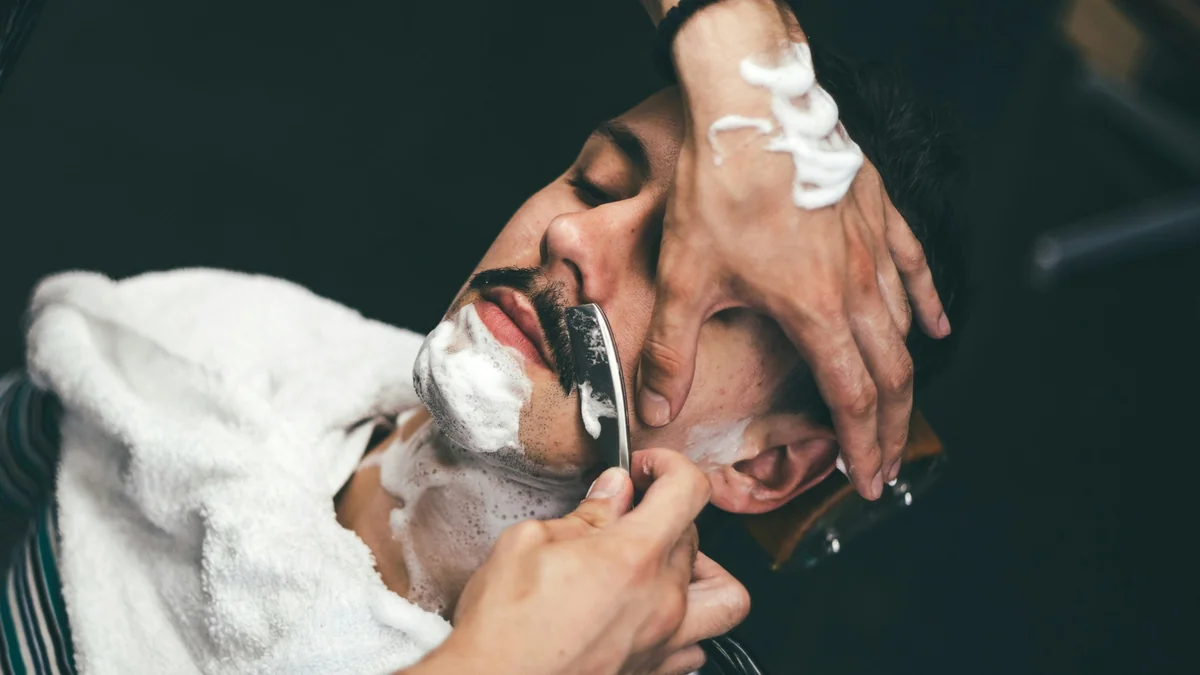
Natural moustache styles
Natural styles are the easiest and usually the quickest to grow, because they work with your hair rather than against it. If you’ve never worn a moustache before, start here.
Chevron moustache
The chevron is the classic. It’s thick and full, follows the line of the upper lip and forms a subtle upside-down V shape. It can partially cover the top lip, but the hair shouldn’t reach your mouth. Think Tom Selleck, Freddie Mercury or Henry Cavill. It needs very little grooming, which is why barbers so often recommend it as a first moustache. Plan for two to three months to reach full thickness.
Natural moustache
As the name suggests, the natural moustache is unfussy. There’s no tight shaping and no extravagant bulk, just a tidy-up with scissors and a comb. It suits almost everyone and is the easiest short moustache to get right.
Lampshade moustache
The lampshade gets its name from its trapezoid shape. It stays within the width of your mouth, sits below the nose and stops short of the lip. You might also hear it called the military moustache or the “cop ‘stache” because it’s neat and no-nonsense. Miles Teller’s moustache in Top Gun: Maverick is the modern reference point, and it takes one to two months to grow.
Pyramid moustache
The pyramid has a wide base along the lip that narrows slightly towards the nose. It’s a tidy, sophisticated shape that suits most face shapes, and it isn’t one of the harder short styles to grow.
Painter’s brush moustache
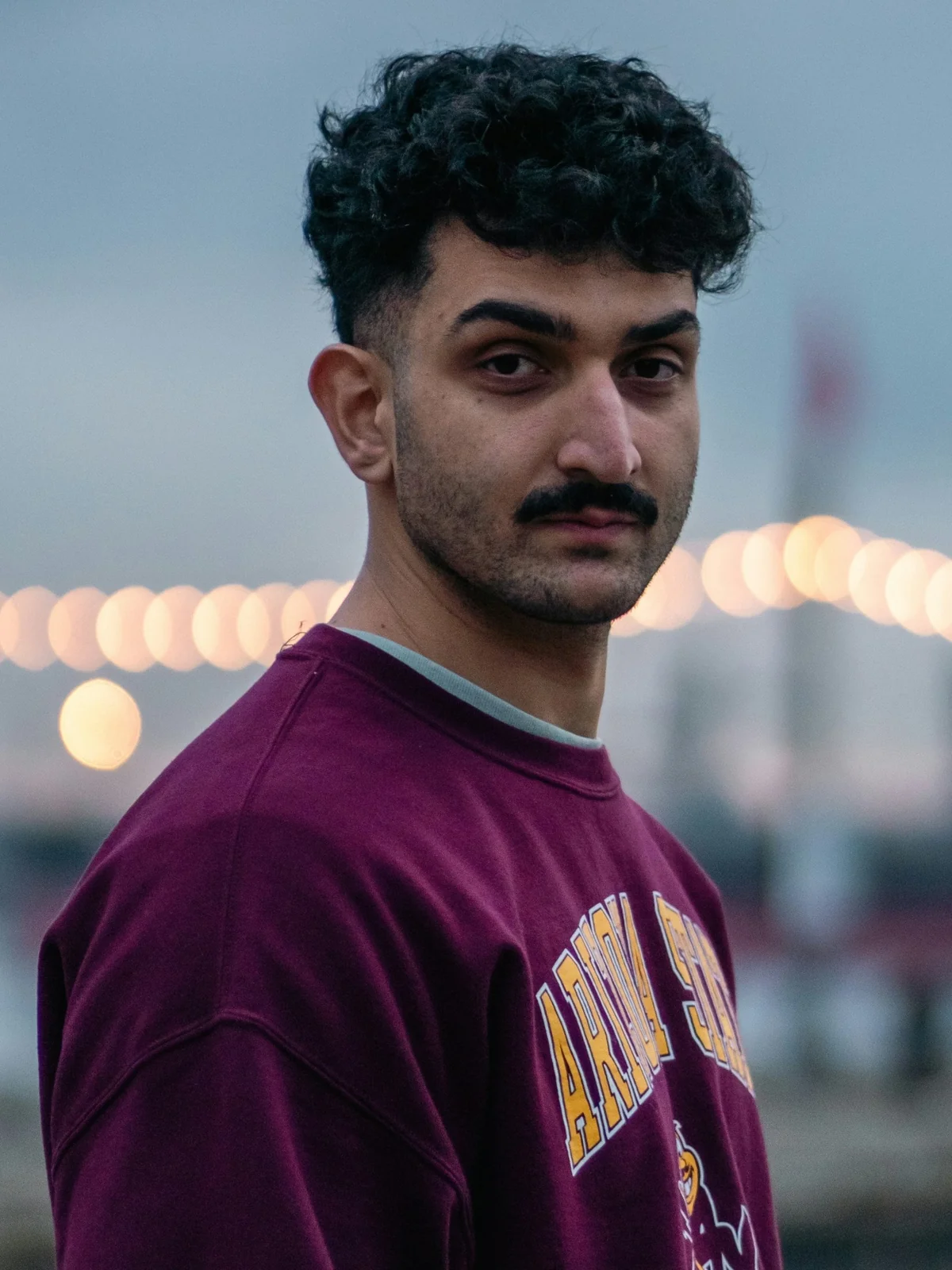
Imagine a painter taking one horizontal swipe under your nose. The painter’s brush has the thickness of a chevron but runs straight across rather than angling down, and it stops at the edges of the mouth. This one is confident without being flashy, and it’s got a Ron Burgundy retro feel.
Walrus moustache
The walrus is the big one. It’s long, bushy and combed straight down, covering the top lip and sometimes the bottom one too. Teddy Roosevelt and Friedrich Nietzsche wore it, and it has a rugged, old-school feel that’s hard to beat. The catch? It needs serious length, which can take upwards of six months, and not everyone’s hair can grow long enough (more on that in the FAQs). Practical? Not entirely. Impressive? Absolutely.
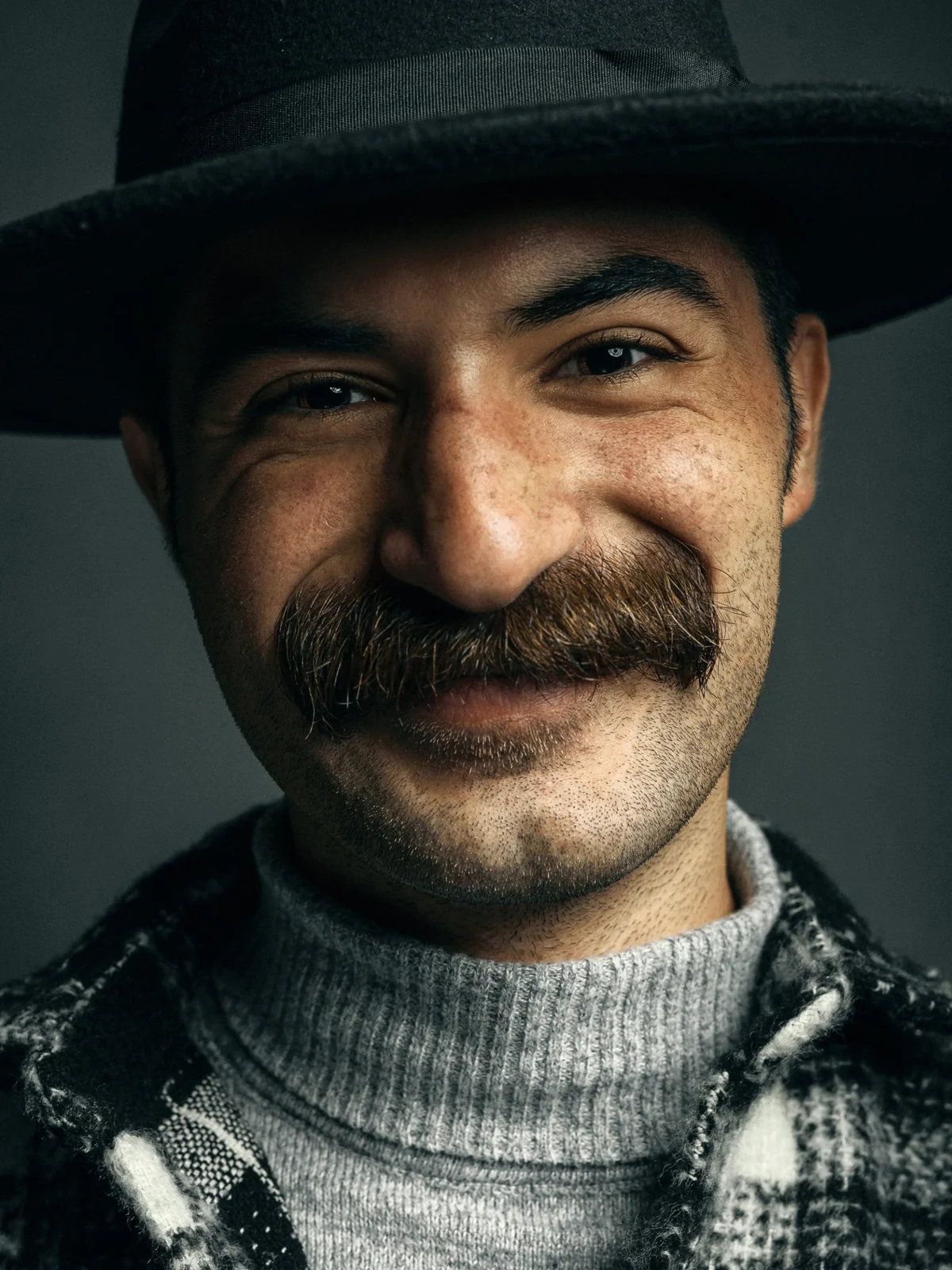
Thin and pencil moustache styles
Thin styles don’t fill the whole space between your nose and lip. Sometimes that’s a choice, and sometimes it’s simply what your face grows (no judgement here).
Pencil moustache
The pencil is a neat, fine line just above the upper lip, with the area above it shaved clean. It’s the old Hollywood classic, worn by Clark Gable and Errol Flynn, and it looks most at home with a sharp suit. Because you only need a narrow strip, it can be a good shout if your growth is lighter or patchier, but it works best with darker hair to get the definition. It can be ready in as little as two to four weeks. The trade-off is upkeep: those crisp edges need tidying several times a week, if not daily, to stay sharp.
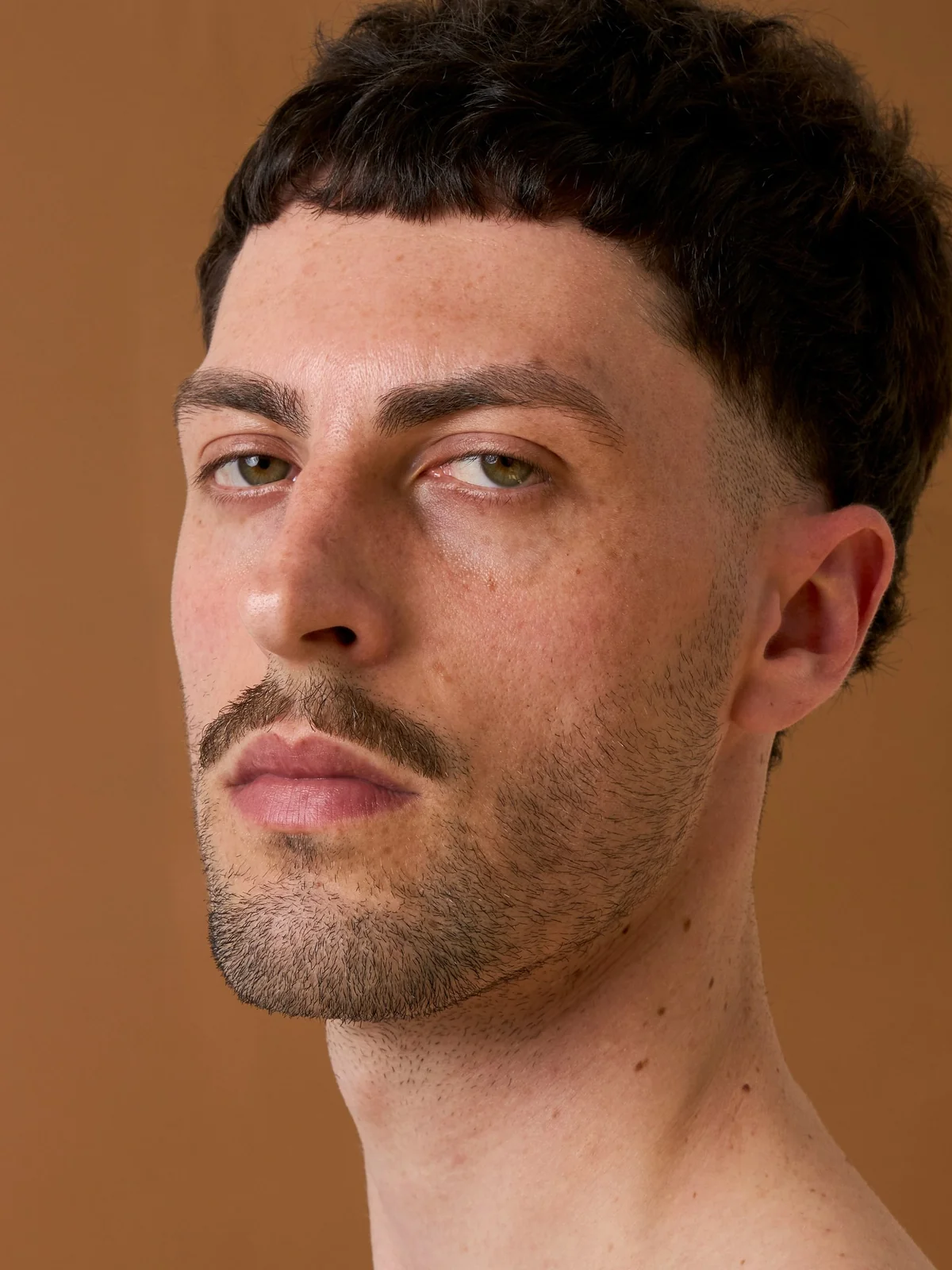
Parted pencil moustache
The parted pencil is the same slim line with one addition: a small gap at the philtrum (the little groove in the middle). It’s a precise, slightly vintage detail, and the part works best when it’s kept narrow.
Find a barber near you and book a beard and moustache trim
Handlebar moustache styles
Handlebar styles are the showstoppers. The ends of the moustache are longer and shaped with wax, and they always get people talking. They also ask the most of you, so think of these as a project rather than a quick update.
Classic handlebar moustache
The classic handlebar is thick in the centre, with long ends waxed into fine points that reach out over the cheeks and curl up, like a set of upturned bicycle handlebars. Patience is key as you may need to wait several months for enough length. Then, the pro tip is to keep the hair beneath the handles at the corners of your mouth shaved so the shape stays clean. Taika Waititi and Matty Healy have both worn creative versions.
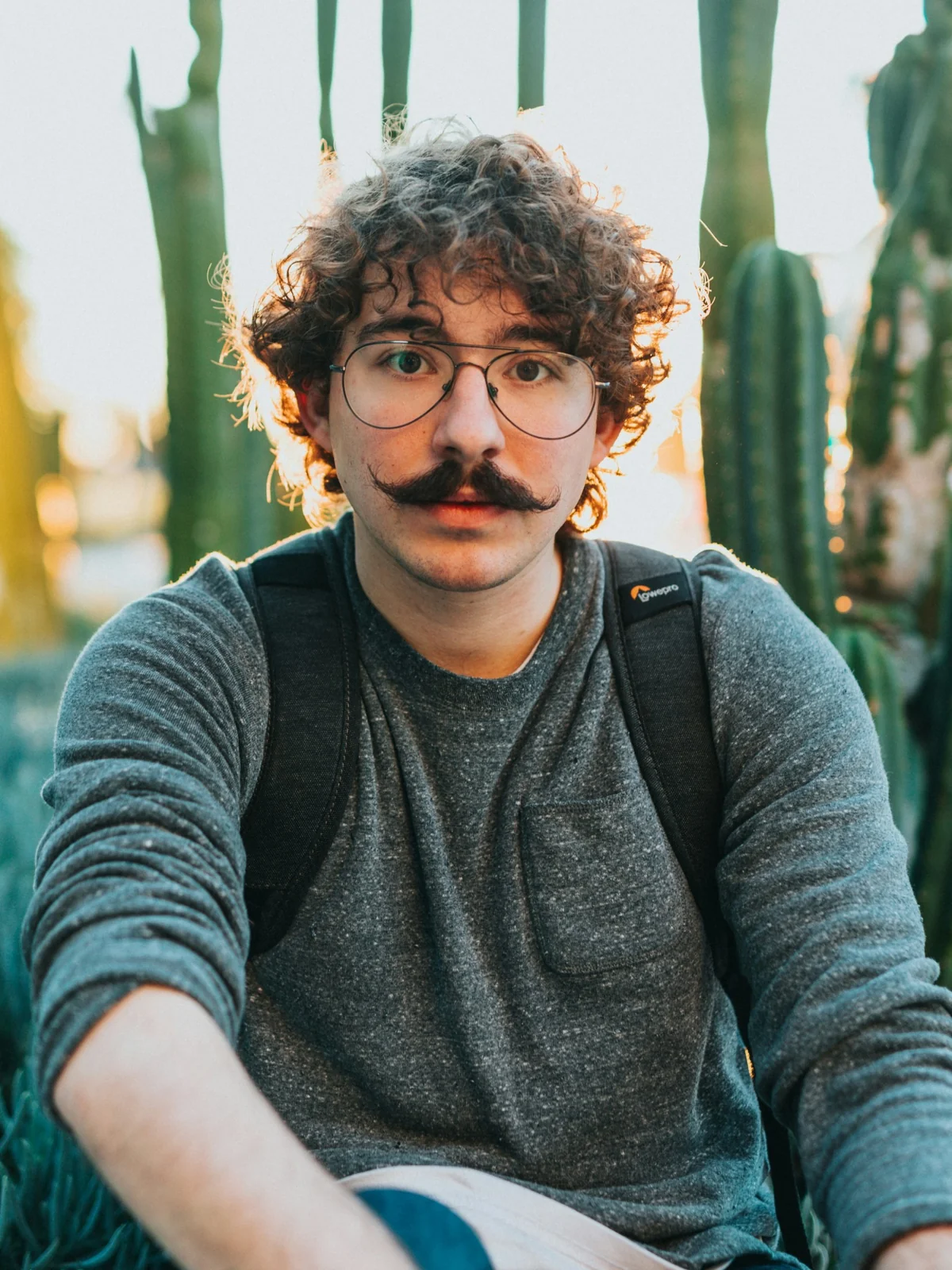
Petite handlebar moustache
The petite handlebar is the compact version. It’s shorter overall, the ends don’t extend past the corners of the mouth, and the tips sit in more of a wave than a full curl. If you love the look but your hair won’t grow long enough for the full version, this is your answer, ready in two to three months.
English moustache
The English moustache is the handlebar’s more buttoned-up cousin. It’s narrow, parted in the centre and kept off the lip, with the ends waxed out horizontally into long, straight points rather than curled. Distinguished, a touch aristocratic and very much a statement (monocle optional).
Hungarian moustache
The Hungarian is part walrus, part handlebar. It’s big and bushy, grown like a walrus and then swept out into long, swooping handles that sit lower on the cheeks. Think Wild West lawmen (or the Monopoly man). It needs less precise styling than a classic handlebar, but a lot more length, so it’s one for the dedicated.
Imperial moustache
The imperial looks like a handlebar at first glance, but it borrows a little hair from the upper cheeks to create thicker handles that curl straight up. The ends stay full and natural rather than waxed into points. It takes its name from Kaiser Wilhelm II, and it’s about as regal as facial hair gets.
Dalí moustache
Made famous by the surrealist painter Salvador Dalí, this is a pencil moustache with long, thin handles waxed into sharp points that shoot upwards. It needs months of growth, daily grooming and a strong-hold wax, plus a healthy dose of confidence.
Moustache and beard combos
Combo styles bring some beard hair into the picture. They’re a brilliant middle ground if you’re not ready to go clean-shaven around the moustache, and they’re among the most-wanted variations right now.
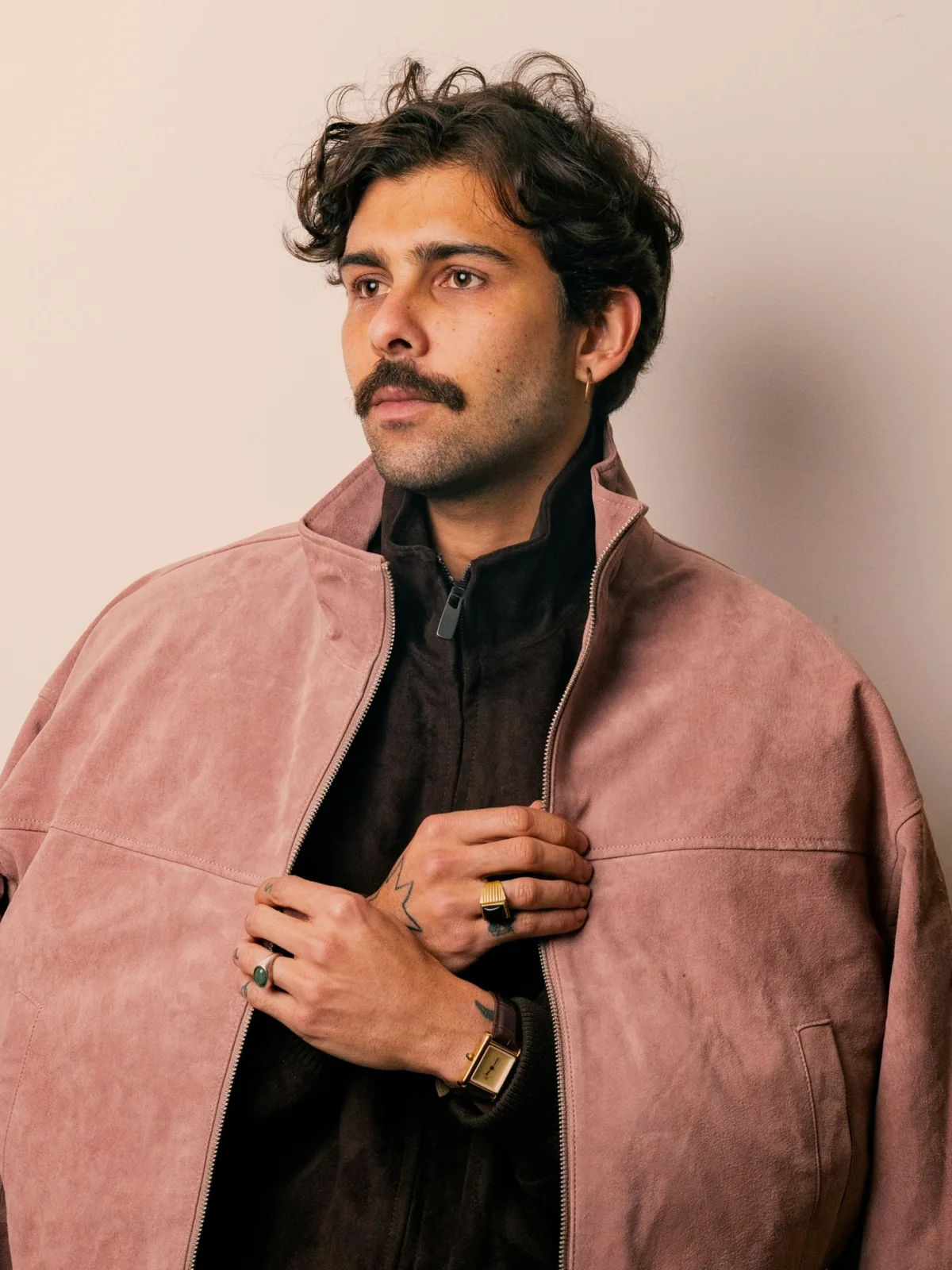
Beardstache
The beardstache is a full moustache worn with stubble, anywhere between a few days’ and a few weeks’ growth. The stubble adds definition to the jaw, while the fuller moustache stands out against it. Henry Cavill is the go-to example. It works with most of the natural and handlebar styles above, which makes it one of the most flexible looks around (and a handy disguise for the awkward growing phase).
Horseshoe moustache
The horseshoe is a full moustache joined to two vertical strips of hair running down either side of the mouth to the jawline, with the chin shaved clean. Hulk Hogan made it famous. The easiest way to get there is to grow a full beard first, then have everything shaved away except the moustache and those two strips. Allow three to six months for the right thickness.
People often confuse it with the Fu Manchu, but they’re different. The Fu Manchu is a moustache only, with a gap at the philtrum and long, thin ends that hang down from the corners of the mouth. It attaches to the face only at the top, so you can lift the ends away. You can’t lift a horseshoe, because it uses cheek hair.
Zappa moustache
Named after musician Frank Zappa, the Zappa pairs a full moustache that grows slightly past the corners of the mouth with a soul patch (a small tuft of hair) beneath the lower lip. It’s bold and a little rock and roll, but it’s not especially high-maintenance.
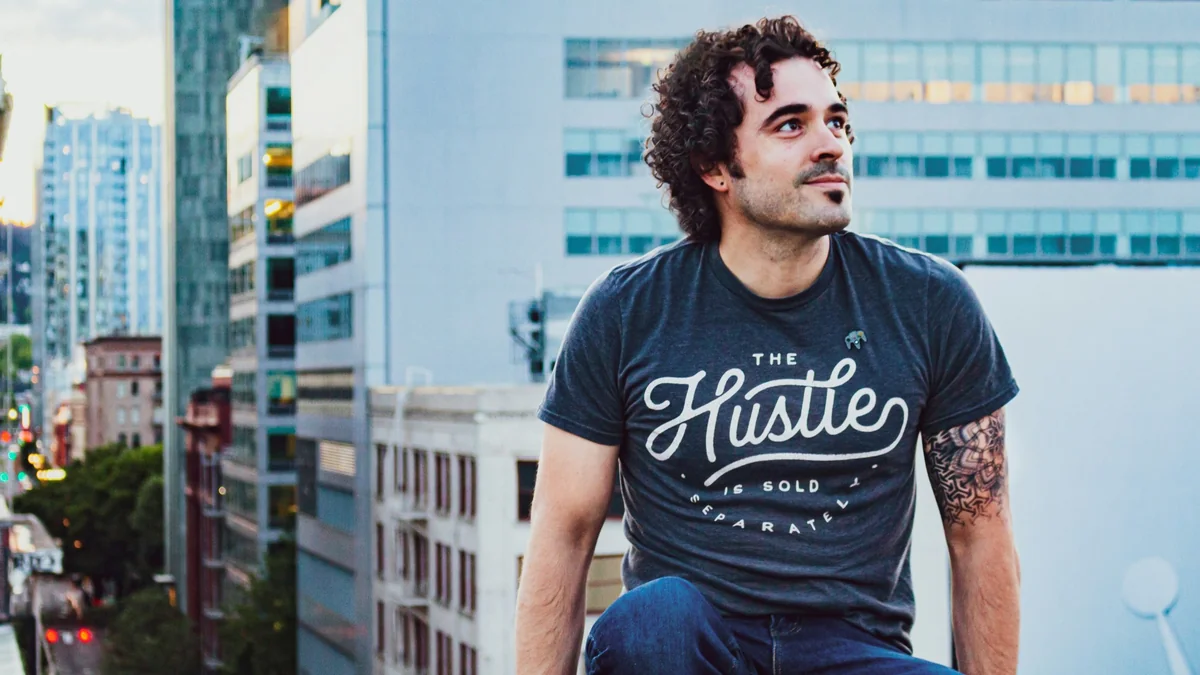
Anchor
The anchor combines a pointed beard that traces a line along the jawline with a moustache that doesn’t connect to it, creating (you guessed it) an anchor shape. Brad Pitt and Robert Downey Jr. have both worn versions. It suits anyone who wants a more structured finish than a beardstache.
Moustache trends for 2026
The moustache is back, and this time it’s softer, more relaxed and paired with some surprising haircuts. Here are the twists coming through barbershops right now:
- The mullet moustache. Jacob Elordi helped make the mullet and moustache combo mainstream.
- The modern cowboy. A looser take on the beardstache, this moustache has a bit of length over rough stubble, looking rugged but not messy. Think Austin Butler, or the whole cast of Yellowstone.
- The soft or barely-there moustache. A light, subtle look in the spirit of Timothée Chalamet or Pedro Pascal, ideal if your growth is strongest above the lip and lighter elsewhere.
- The rectangle. Instead of following the natural curve of your mouth, your barber squares off the corners, sometimes letting them extend slightly past the edges. Donald Glover is a fan.
The common thread? Less wax, less twirl and more personality. Cowboy boots, as ever, remain optional.
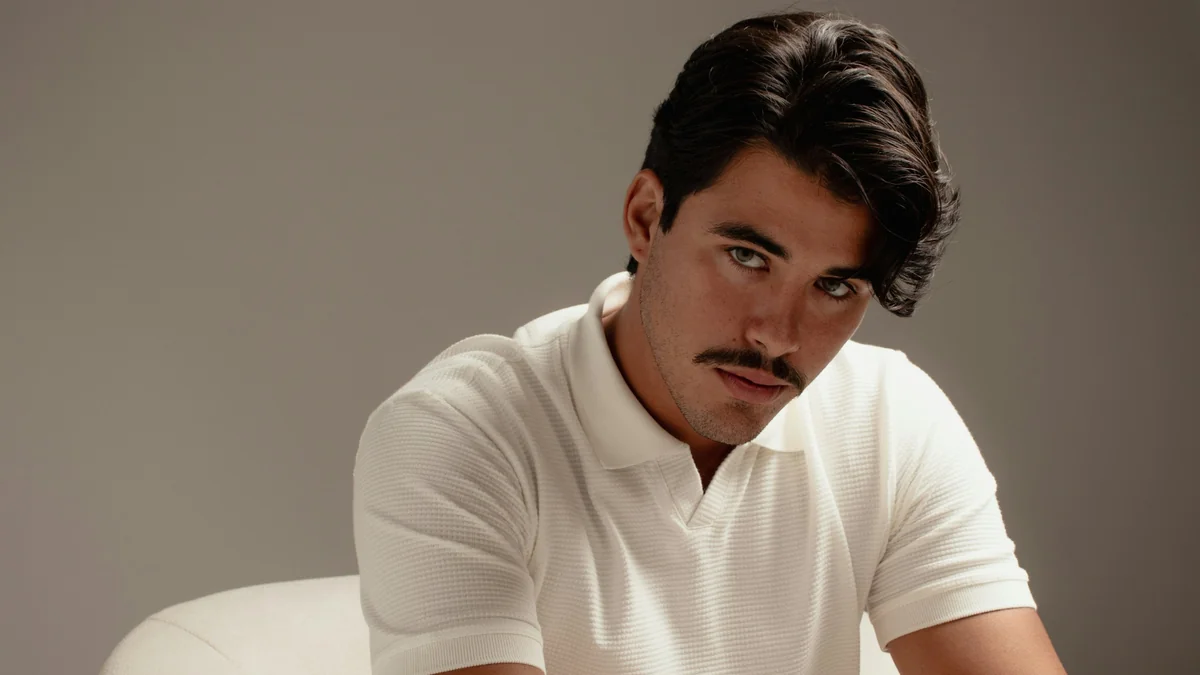
Book a barber on Treatwell and try a modern moustache trend
Moustache styles at a glance
Can’t decide? Here’s a quick side-by-side of the most popular styles to screenshot for the barbershop.
| Style | Family | Growth needed | Upkeep | Best for |
|---|---|---|---|---|
| Chevron | Natural | 2 to 3 months | Low | First-timers with dense growth |
| Lampshade | Natural | 1 to 2 months | Medium | A neat, structured look |
| Walrus | Natural | 6 months or more | Medium | Rugged, statement looks |
| Pencil | Thin | 2 to 4 weeks | High | Lighter or patchier growth |
| Petite handlebar | Handlebar | 2 to 3 months | High | Handlebar fans with shorter growth |
| Classic handlebar | Handlebar | Several months | High | Patient, confident growers |
| Beardstache | Combo | A few weeks | Low | Defining the jawline |
| Horseshoe | Combo | 3 to 6 months | Medium | Bold, rugged looks |
How long does it take to grow a moustache?
Most moustaches take around two to three months to grow into their full shape. Thin styles can be ready in a few weeks, and the biggest handlebars and walruses can take six months or more. The first few weeks are the awkward phase (we feel you), and the biggest temptation is to trim too early. Don’t worry, it passes, and these barber-approved tricks make it easier:
- Grow a beard first. Many people find it easiest to grow out a full beard, then have a barber trim it back to the moustache once there’s enough length. It hides the in-between stage nicely.
- Resist the scissors. Go slowly here: you can always take more off, but you can’t put it back on.
- Don’t cut straight across too soon. It’s one of the most common mistakes barbers see, and it can leave a moustache looking thin or uneven.
- Comb it every day. Daily brushing trains the hair to lie in the direction you want.
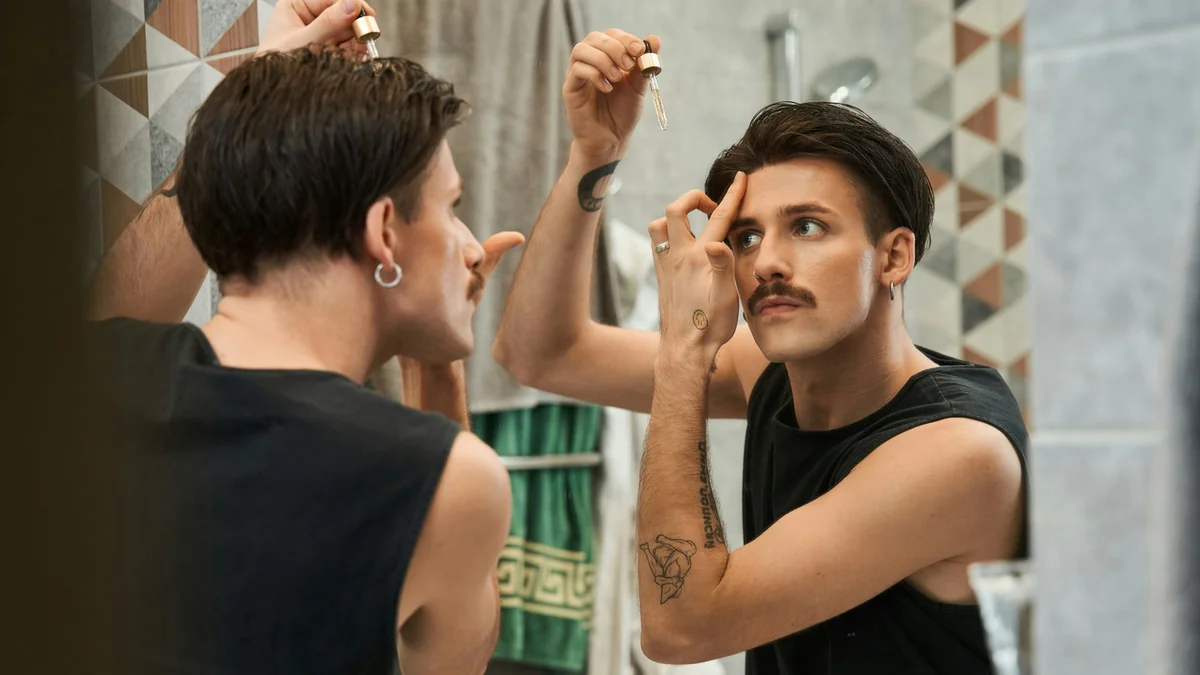
Keeping your moustache in shape
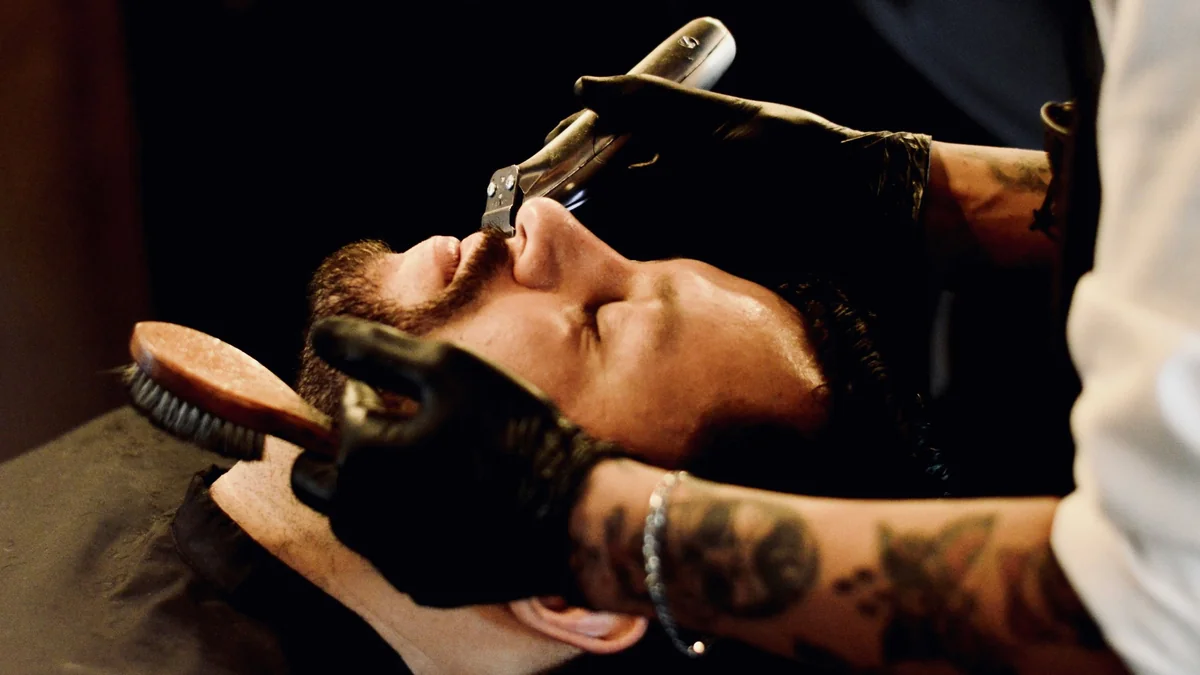
The easiest way to keep a moustache looking sharp is a regular professional trim, with a little daily care in between. Can you shape one yourself at home? You can, but you might not quite get the look you’re after. The skin around your mouth is delicate, one wobbly snip can set you back weeks, and getting both sides symmetrical in a mirror is harder than it looks.
That’s why barbers recommend having your first shape cut professionally. A barber can read your growth pattern, cut in the style you want and show you which bits to leave alone as it grows. Book through Treatwell and you can browse barbers near you, check their photos and reviews, and pick a time that suits you.
What to ask your barber for
A little vocabulary goes a long way in the chair:
- Name the style (chevron, pencil, beardstache). And bring a photo or two of looks you like and don’t like.
- Mention the lip line. Say whether you want the hair to sit above the lip, touch it or partially cover it.
- Talk about the corners. Should the moustache stop at the edges of your mouth, extend past them or turn down?
- Ask about the philtrum. If you want a parted style, say so.
- Be upfront about upkeep. The shape should match the time you’ve got.
Common moustache mistakes
Even the best-planned moustaches can go awry sometimes. The usual suspects are: expecting a fully grown moustache in a fortnight, trimming too much too soon, and letting hair creep over the lip and into your food (soup is not your friend here). Neglecting the skin underneath is another one. Barbers recommend a beard or moustache oil to soften the hair and help prevent dry skin and irritation around the lips.
Day-to-day care
Keep a small comb on you to tame stray hairs, especially after eating. Natural styles usually just need combing and a little oil or balm, while handlebars, English and Dalí styles need wax to hold their shape. Then pop back to the barbershop every few weeks to keep the outline crisp. Once you’ve found a barber you trust, Treatwell makes it easy to rebook them. So fresh!
Book a moustache trim or hot towel shave on Treatwell
Movember and the moustache comeback
Every November, moustaches pop up on upper lips around the world, and it’s for good reason. Movember asks people to grow a moustache for the month, with sponsorship raising money for men’s health projects.
The movement started with a group of friends in Melbourne in 2003, who set out to make moustaches cool again for a good cause. If you’re joining in this year, treat the list above as your Movember moustache styles shortlist, and the perfect excuse to try one you’d never usually dare. Worst case? You shave it off on December 1st.
Ready to groom?
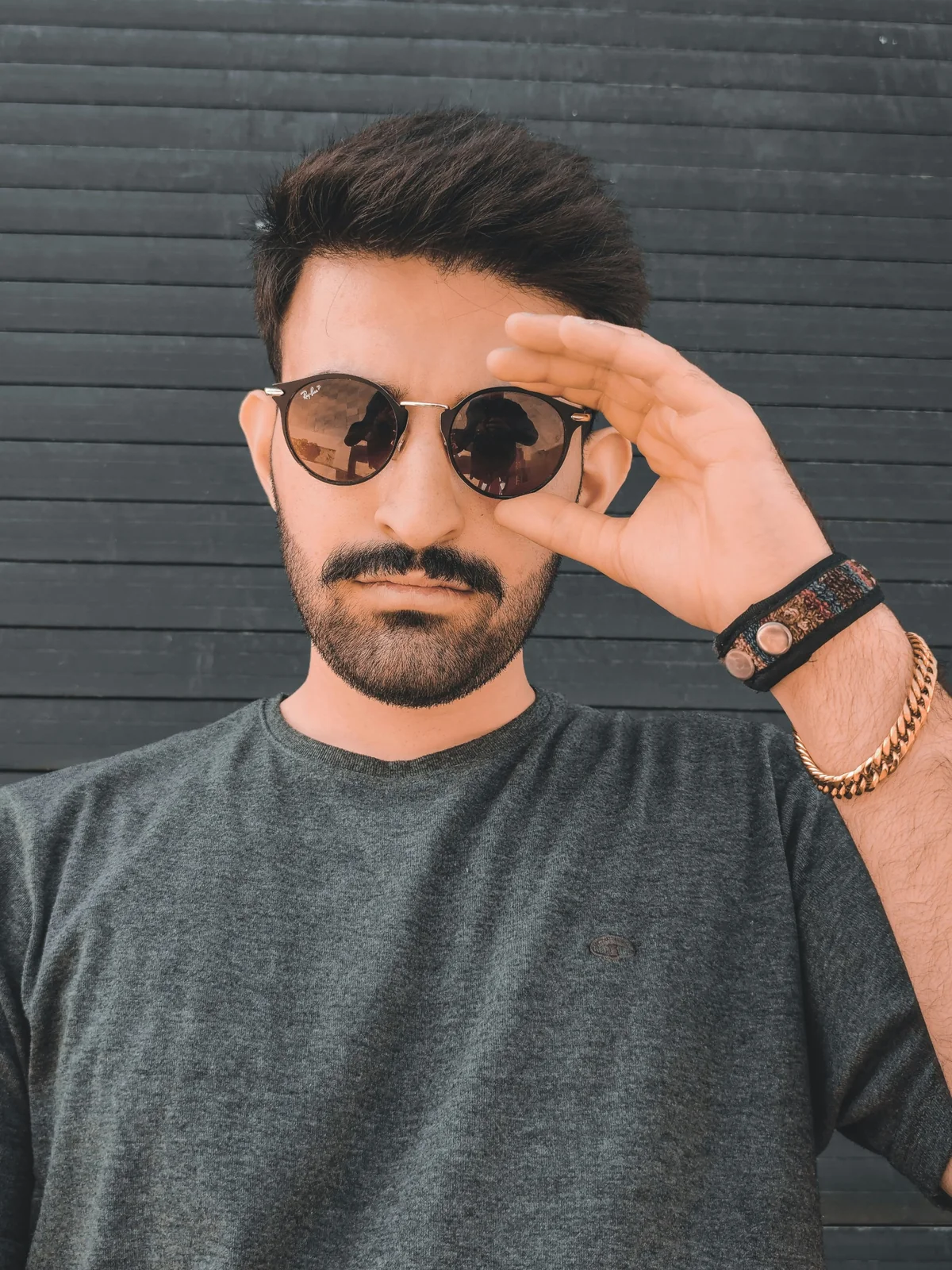
Now you know your chevron from your Hungarian, and which styles suit your face and your growth, you can begin your moustache journey. Grow for a few weeks, resist the urge to trim, then let a professional cut in your shape, and you’ll have a moustache that looks considered and deliberate.
Browse barbers near you on Treatwell, read reviews, compare prices and book for whenever suits. What are you waiting for?
Find a barber near you on Treatwell
FAQs
Which moustache style is the most popular?
The chevron is widely considered the most popular moustache style. It’s full, classic and low-maintenance, which makes it the go-to choice for first-timers. It suits dense growth best.
Is it moustache or mustache?
Both are correct and mean exactly the same thing. “Moustache” is the British spelling, while “mustache” is the American one, just like colour and color.
How often should I trim my moustache?
Once your moustache is established, barbers suggest a light trim weekly or every fortnight, focusing on hair that grows below the lip line. A professional tidy-up every few weeks keeps the overall shape sharp.
Can I tint my moustache?
Yes. Semi-permanent tints made specifically for facial hair can give a moustache a fuller, more even appearance, which is handy if your hair is fair or slightly patchy. Ask your barber whether they offer beard colouring when you book, and remember to have a patch test.
Why won’t my moustache grow any longer?
Every hair has a maximum length it can reach, known as its terminal length, and this is largely down to your genes. If your moustache has stopped getting longer, you’ve likely hit yours. Styles like the petite handlebar or a beardstache are great alternatives to the longer looks.
Can a moustache suit me if I’ve never had facial hair?
Almost certainly. A short natural moustache or chevron is the easiest starting point, and you can always change direction as it grows. Your barber can help you find the shape that works with your growth.