
Ever wish you could hit the reset button on your skin? The fine lines that crept in over winter. The acne scars that no serum seems to shift. The elasticity that quietly packed its bags somewhere around your late twenties (rude). Sometimes your complexion needs more than the options on your bathroom shelf, and that’s exactly where microneedling comes in.
Microneedling, also known as Collagen Induction Therapy (CIT), uses a specialist pen or roller fitted with ultra-fine needles to create controlled micro-injuries in the skin. We know how that sounds, but hear us out. Those tiny micro-injuries trigger your body’s natural healing response, prompting a surge of collagen, elastin and growth factors deep within the dermis. Over time, this remodelling process delivers firmer, smoother, visibly refreshed skin.
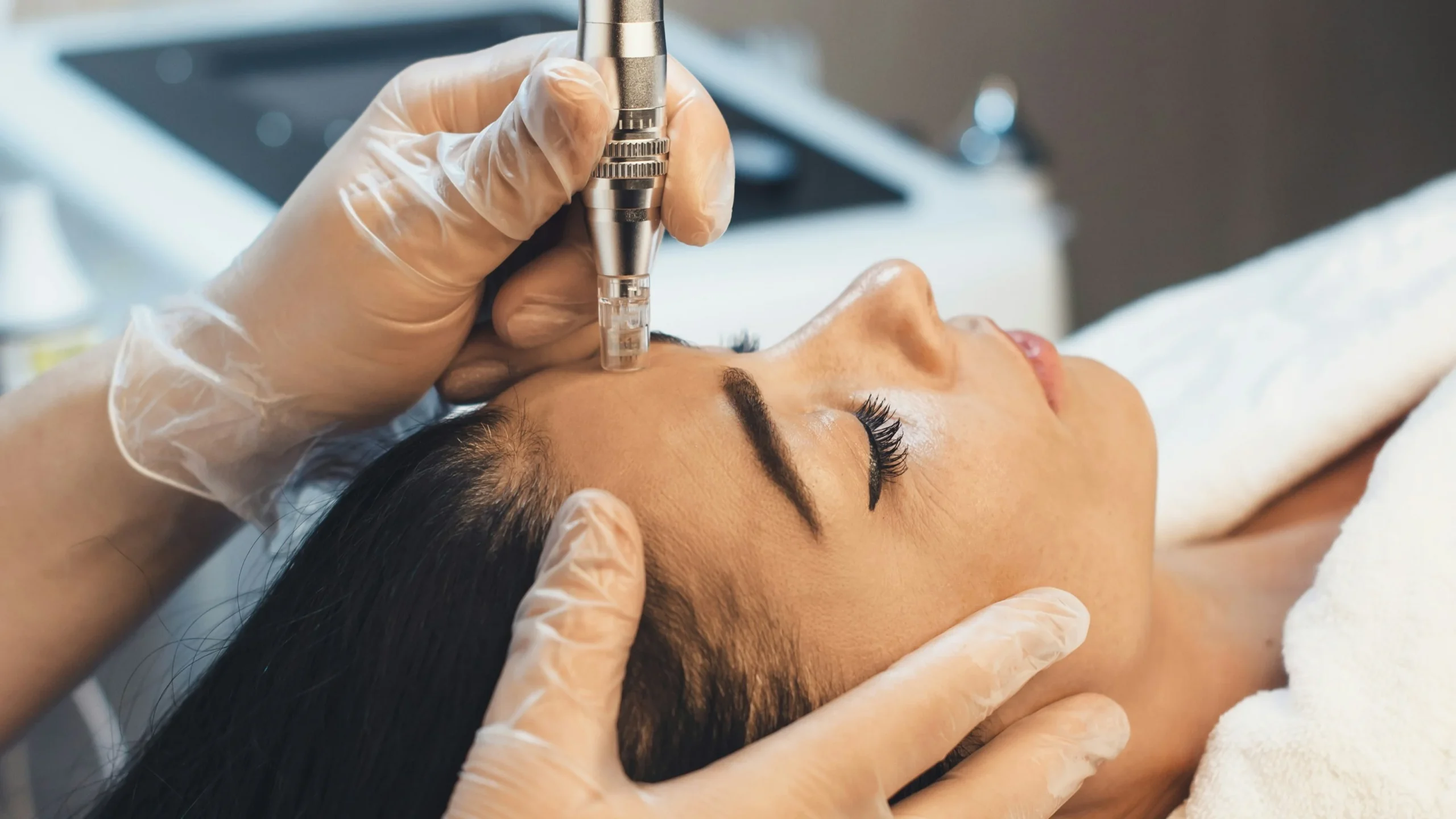
Unlike laser treatments, microneedling is safe for all skin tones as there is minimal risk of pigmentation changes. Your practitioner can tailor the treatment by adjusting needle depth and serums to suit your specific concerns. Some combine microneedling with platelet-rich plasma (PRP) to amplify tissue regeneration, the so-called “vampire facial” (yes, it sounds dramatic, but the results speak for themselves).
The science behind microneedling
Here’s what’s actually happening beneath the surface: microneedling kicks off a three-phase healing cascade. First, inflammation clears the site of cellular debris and bacteria. Then, proliferation boosts collagen and elastin production. Finally, remodelling strengthens those collagen fibres over the following months. Studies show collagen levels rise significantly after just three sessions.
The micro-channels created by the needles also enhance serum absorption, so your skin drinks in active ingredients far more effectively. Most people notice their skin feels different before it looks different, a subtle firmness that develops before visible texture changes appear.
Why professional microneedling makes all the difference
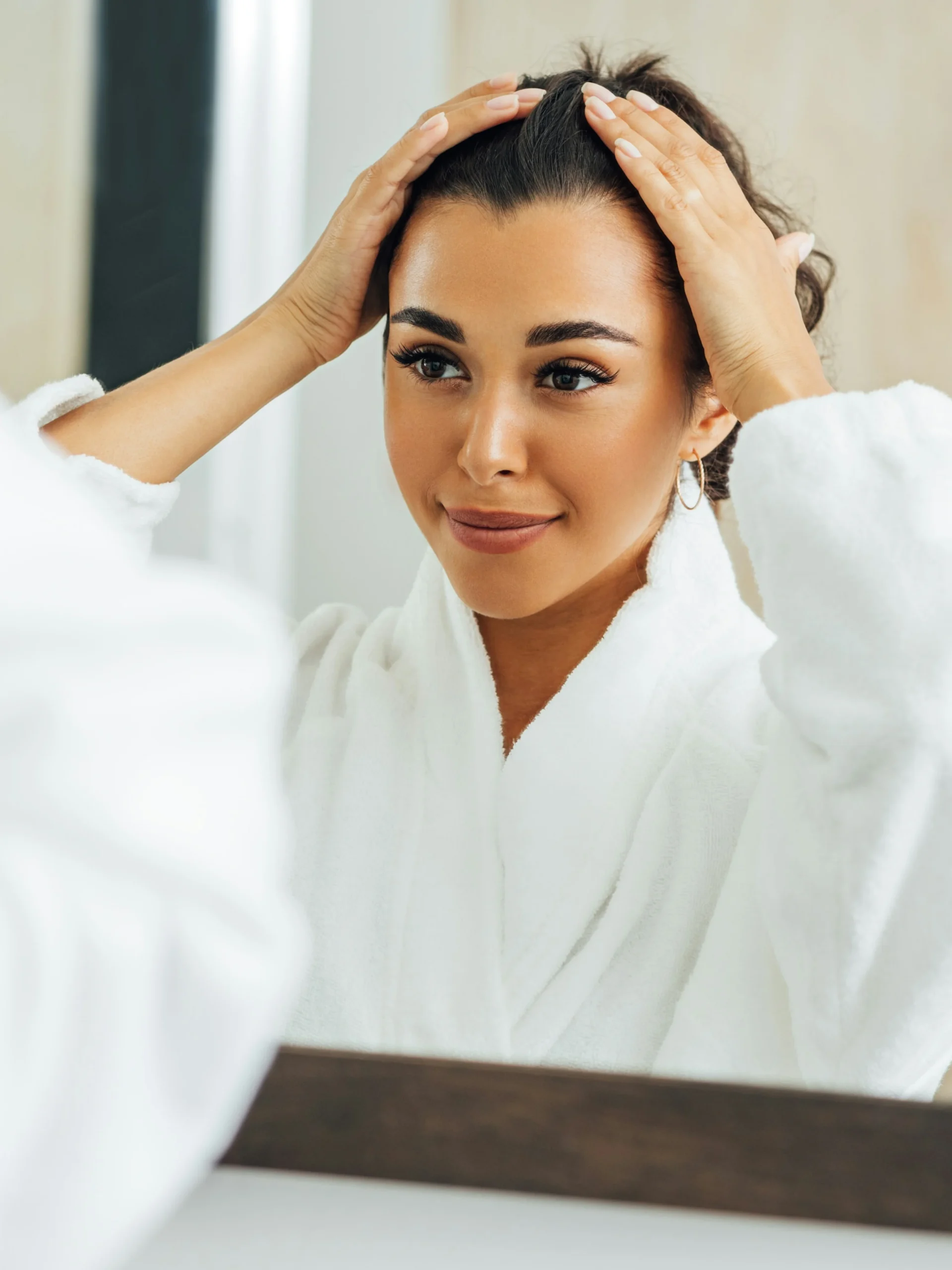
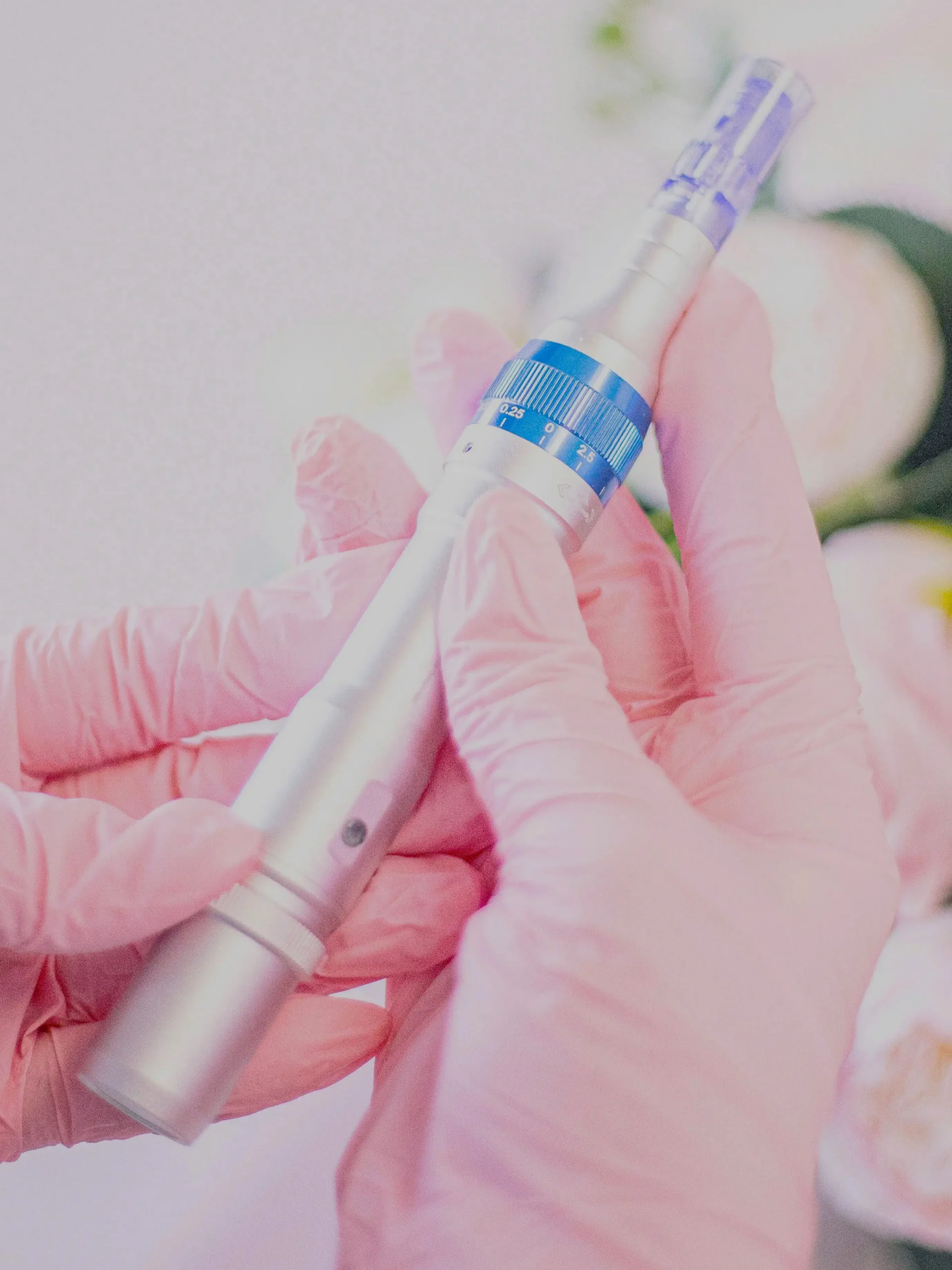
Can you microneedle yourself? At-home rollers do exist, with shallow needles of around 0.25 to 0.5 mm. But here’s what you should know: they’re limited to surface-level exfoliation and can’t reach the depths where collagen production actually happens. Professional devices work at adjustable depths of 0.1 to 2.5 mm, targeting deep scars, wrinkles and texture concerns that at-home tools simply cannot touch. Think professional massage versus rubbing your own shoulders. A trained practitioner also ensures sterile technique, correct pressure and the right serum pairing for your skin type.
Key benefits and uses of microneedling
The beauty of microneedling is that it boosts collagen and elastin production, which translates to smoother skin, fewer wrinkles and better tone. Clinical studies report that microneedling can improve acne scars, hyperpigmentation, large pores and even some forms of hair loss. It works across all skin types and tackles mild-to-moderate scarring, including traumatic and surgical scars. Deep wrinkles and significant skin laxity may need combined therapies. Microneedling isn’t a miracle worker, but it’s remarkably effective within its wheelhouse.
Facial rejuvenation benefits
Tighter, fresher, more radiant skin. That’s what microneedling delivers by targeting fine lines, pores and overall texture. Results often appear a month or two after starting treatment and recovery is refreshingly mild, with most redness fading within 48 hours.
Scar treatment effectiveness
Microneedling softens atrophic acne scars (the ones that are small depressions in the skin) with studies citing significant reduction in scar depth. Results improve further with growth factor serums or PRP. Your practitioner will customise each session by scar type and depth (no two treatment plans look the same). Even stubborn scars that have been hanging around for years start to flatten and blend after a series of treatments.
Body applications
Microneedling works beyond the face. It can improve stretch marks, mild cellulite, even scalp treatments for hair growth when paired with a hair loss treatment like minoxidil. Optimal outcomes depend on a proper skin assessment and a tailored treatment plan.
The complete microneedling procedure: step by step
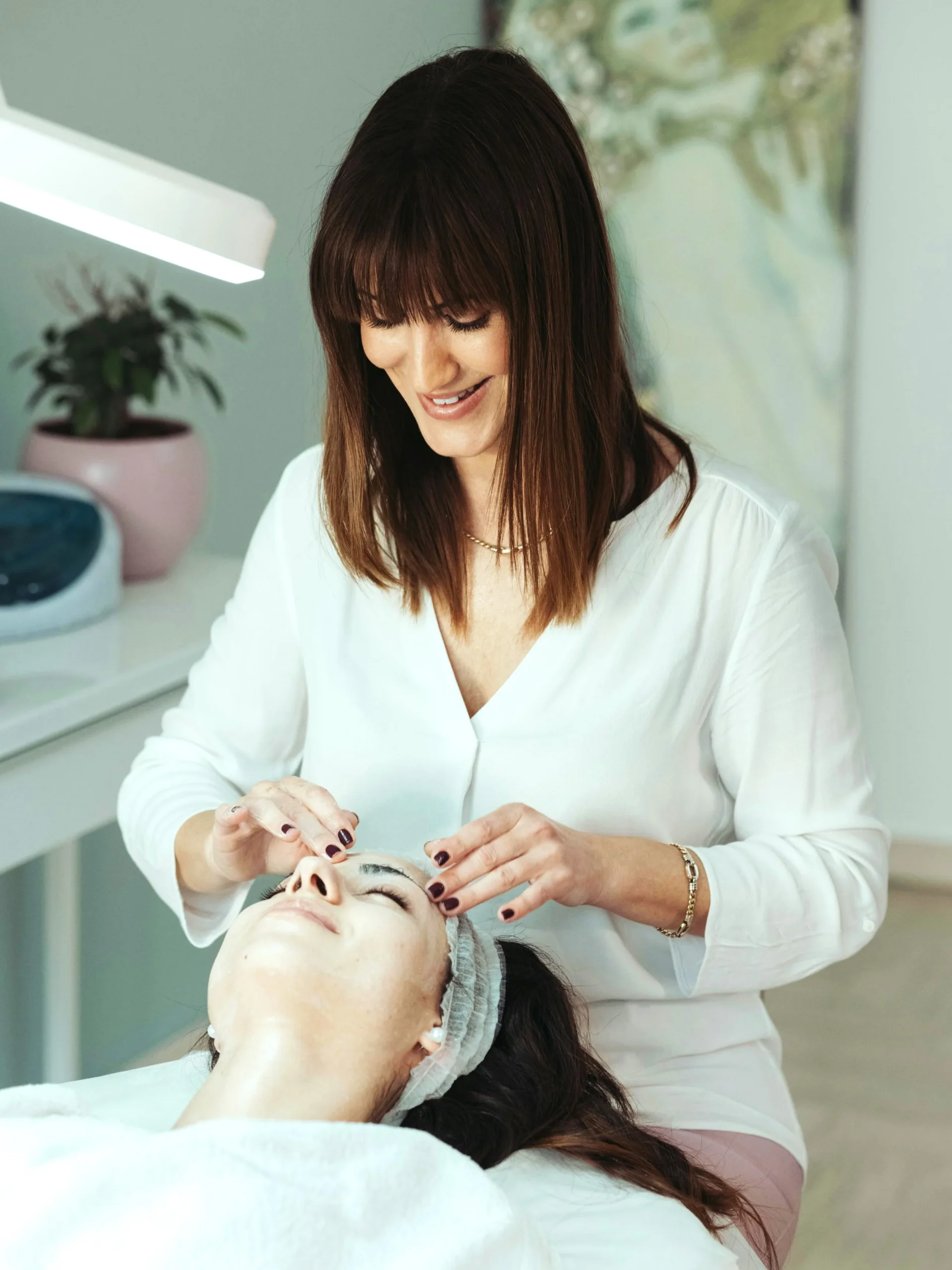
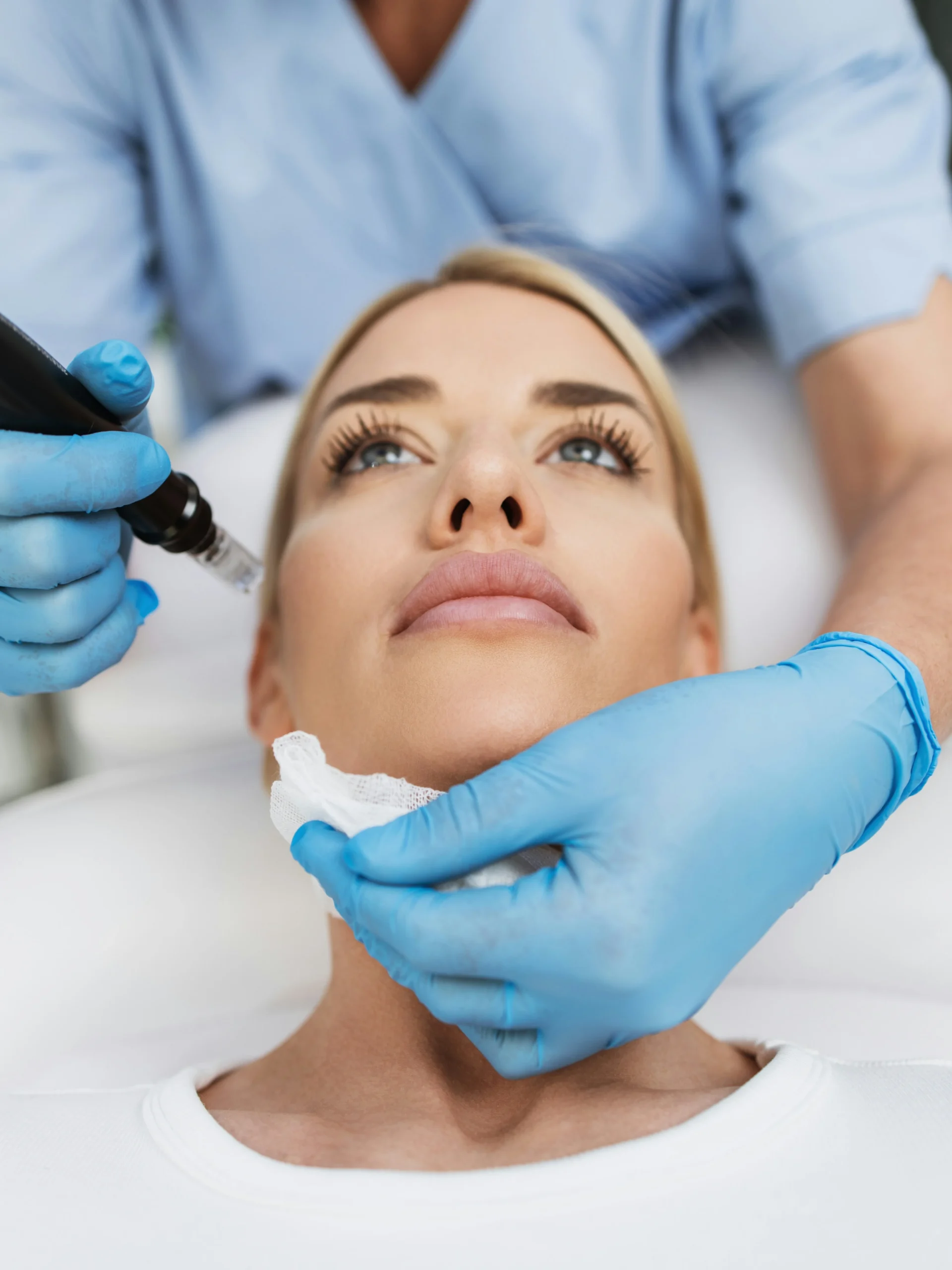
Microneedling treatment starts with a thorough skin assessment and pre-treatment prep, often involving vitamin A and C creams to prime the skin. Then numbing cream goes on and gets to work for around 30 minutes. When you’re ready, your clinician glides the device across the skin creating micro-channels (the anticipation is usually worse than the reality, we promise). Growth factor serums or hyaluronic acid may be applied immediately after, when your skin is at its most receptive. Sessions last anywhere from 15 to 90 minutes depending on the area treated.
Before your appointment: preparation guidelines
Preparation makes a real difference to your microneedling results. In the two weeks before treatment:
- Avoid sunburn and harsh skincare products.
- Discontinue blood thinners under medical guidance to reduce bruising risk.
- Inform your provider if you’re prone to cold sores, as needling can occasionally trigger an outbreak (pre-treatment antivirals may be prescribed).
During the treatment: what to expect
Most people describe microneedling as a vibrating or prickling sensation, easily tolerable with numbing cream. The treatment is performed in sections for even coverage, and some opt for PRP or specialised serums for enhanced healing. Remember, the thought of it is almost always worse than the actual experience. If you can handle waxing or threading, you can handle microneedling.
How many microneedling sessions do you need?
This depends on what you’re treating. Most people need several microneedling sessions, spaced four to six weeks apart, for optimal collagen remodelling. Acne scars and stretch marks typically need more sessions than fine lines. Maintenance treatments once or twice a year help sustain results, and your practitioner will tailor the plan to you.
As a general guide: acne scars usually respond best to four to six sessions. Fine lines and wrinkles often improve with three to four. Stretch marks may need six to eight. Large pores and general texture improvements can be visible after just two to three sessions.
Microneedling results: timeline and what to expect
After treatment, expect some redness, swelling and warmth. That’s your skin’s normal inflammatory response doing exactly what it should (think mild sunburn vibes, nothing dramatic). Visible textural improvements emerge within four to six weeks, with full collagen remodelling peaking at three to six months. Results last many months or longer, especially with maintenance sessions and all-important sun protection.
Short-term results (first month)
Smaller pores, brightness and improved hydration. Those are the first signs, usually visible within one month. Redness subsides after a few days, while subtle texture improvements start to appear. Some dryness or flaking is perfectly normal and eases with a gentle moisturiser. Your skin might feel a bit tight and papery during the first week, but it settles quickly.
Long-term results (3 to 12 months)
Major improvements in scars, firmness and tone develop over three to twelve months. With consistent aftercare and sun protection, results hold beautifully. Deep scars may not vanish completely, but they become significantly less noticeable. Around month three, friends start asking what you’ve changed (you tell them nothing, obviously).
Side effects and downtime after microneedling
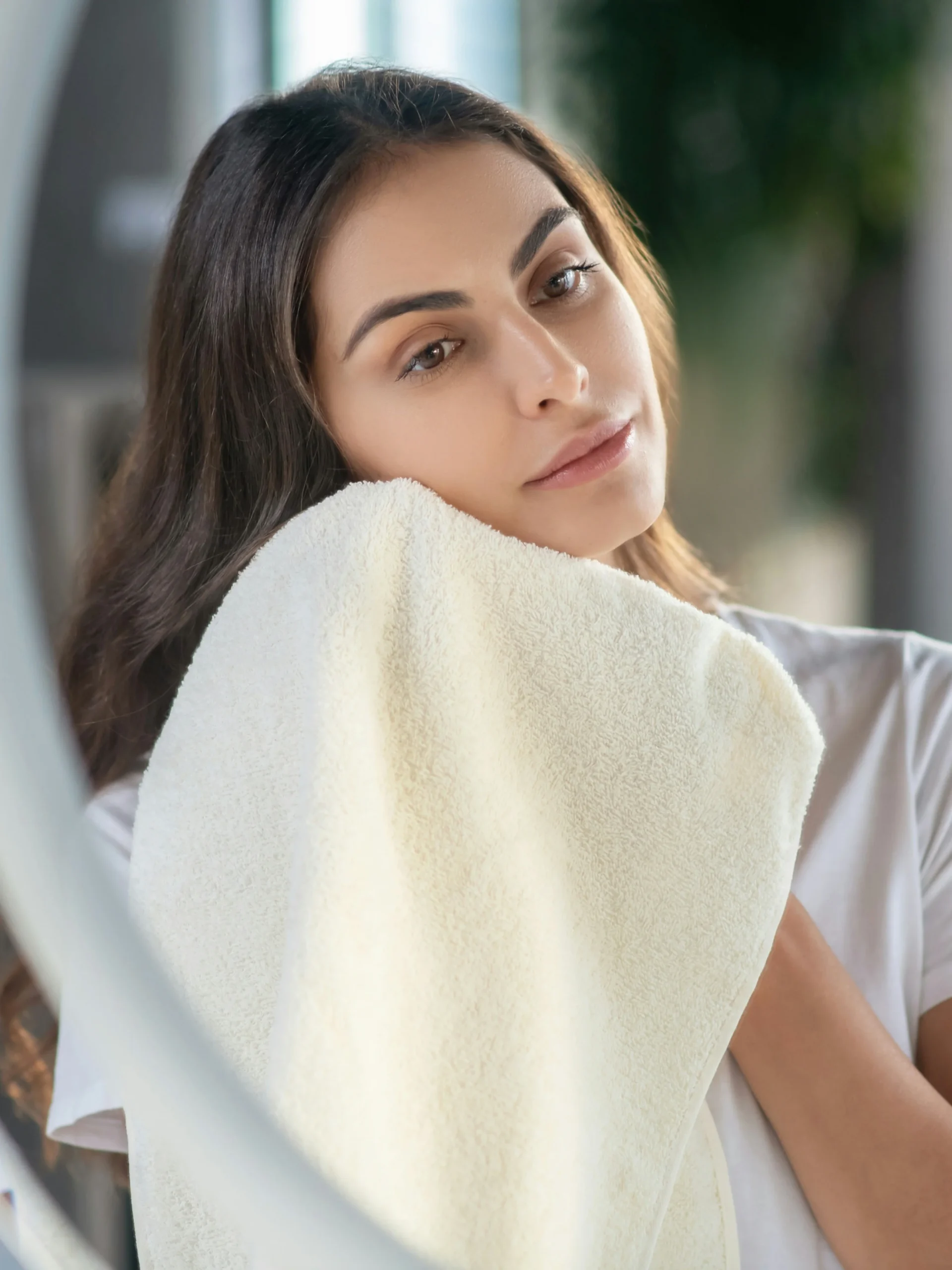
Mild redness, warmth and light swelling for one to three days. That’s the standard experience, no big dramas. Some pinpoint bruising may appear but it should resolve quickly. Infection is rare when a trained professional performs the treatment with proper protocols. Tightness or dryness may linger for a few days, but it’s nothing a good moisturiser can’t handle.
Normal vs. concerning reactions
Redness (like a mild sunburn), minor swelling and dryness are all expected and settle within a few days. If you notice a persistent rash, any discharge, or pain beyond three days, contact your practitioner straight away. Signs of infection or abnormal bleeding also need immediate attention.
Post-treatment care and aftercare guidelines
The first 24 to 48 hours are the ones that really count. Avoid makeup and reach for a gentle cleanser and fragrance-free moisturiser. Apply SPF 50+ religiously (your freshly treated skin will thank you), and steer clear of heat, swimming and intense exercise for 48 to 72 hours. By day five to seven, most people are back to their normal routine.
Here’s a rough daily guide for the first week:
- Day one: gentle cleansing and practitioner-approved serum only.
- Days two to three: heavier moisturisation and introduce mild toners if approved.
- Days four to seven: return to your non-irritating routine and continue sun protection.
Best products to use after microneedling
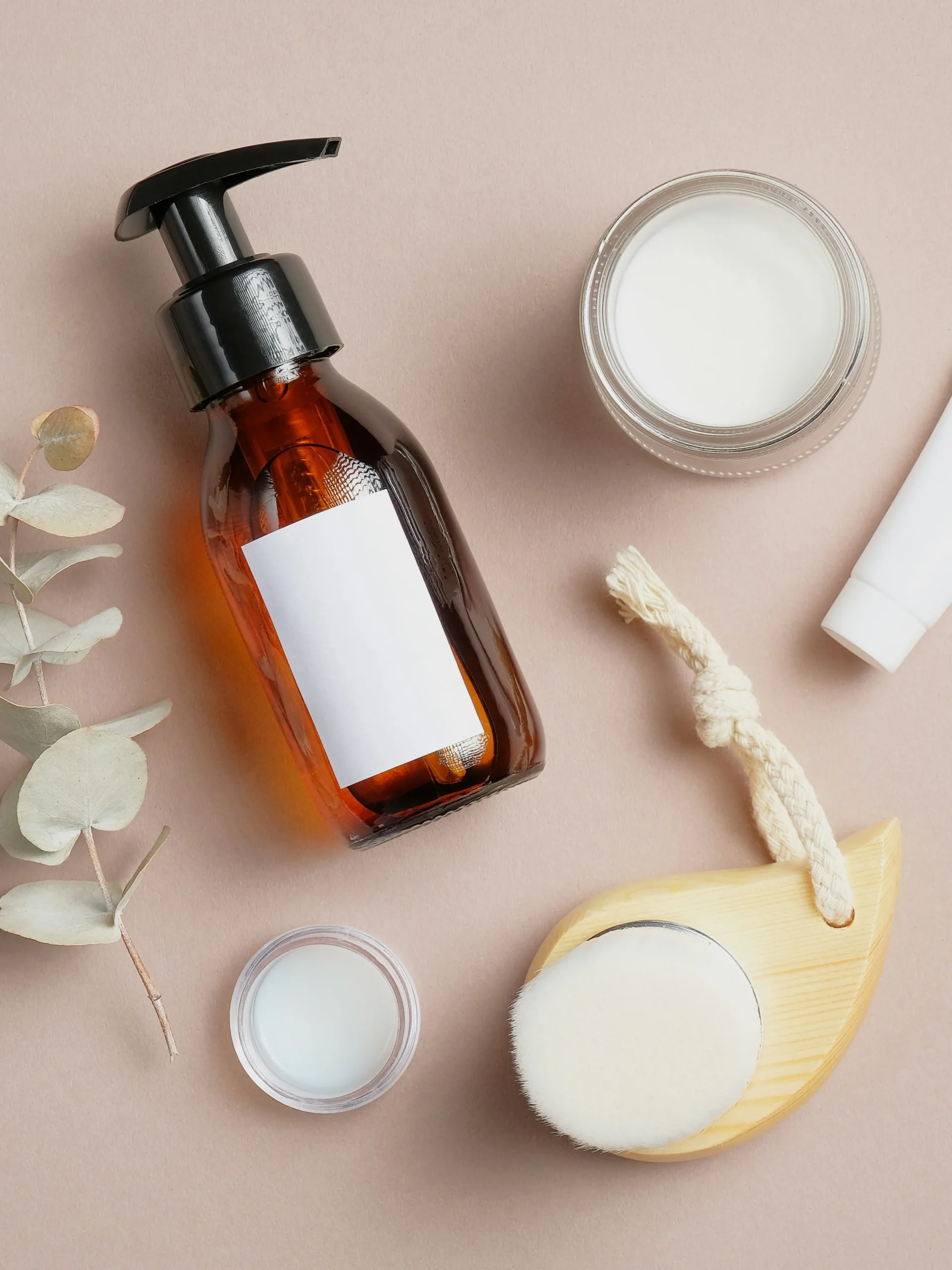
Hyaluronic acid serums provide the essential hydration your skin craves post-treatment. Growth factor serums support collagen production, while gentle, fragrance-free moisturisers aid barrier repair. A mineral sunscreen offers UV protection without irritating freshly treated skin, and a ceramide-rich cream helps if dryness lingers. Avoid alcohol-based toners, retinoids or exfoliating products until you’ve fully healed.
Is microneedling painful? Managing discomfort
Microneedling is only mildly uncomfortable. Numbing cream makes the treatment tolerable for most, and the sensation is best described as light scratching or tingling. Post-treatment tightness or tenderness is easily managed with a soothing moisturiser or cooling gel. If you can sit through a wax or a threading appointment without flinching (too much), microneedling will feel like a breeze.
Who should avoid microneedling: contraindications
Avoid microneedling if you have active acne, eczema, open infections or are currently on isotretinoin. If you’re pregnant, breastfeeding, have a history of keloid scarring or a blood disorder, seek medical advice before booking. Active herpes outbreaks need antiviral treatment or a postponed appointment.
Temporary issues like breakouts or sunburn mean you’ll need to reschedule. Permanent contraindications include a severe keloid tendency or chronic inflammatory disease. For autoimmune disorders, a doctor’s clearance may be needed, though treatment is often possible once things are under control.

Choosing a qualified microneedling practitioner
This matters more than you might think. Look for board-certified dermatologists, plastic surgeons or licensed aestheticians who use FDA-cleared devices and maintain sterile protocols. Check their credentials, ask about the device they use and make sure they offer proper aftercare support. A good practitioner will always be upfront about what microneedling can and can’t do for your specific concerns, with realistic timelines to match.
Now you know what microneedling involves, how it works and what results to expect. Whether you’re tackling acne scars, fine lines or just want that fresh, radiant glow, a skilled practitioner can create a plan tailored to your skin. Browse clinics near you on Treatwell, read reviews, compare prices, and book for whenever suits.
FAQs
Microneedling uses fine needles to create controlled micro-injuries that trigger your skin’s healing response, ramping up collagen and elastin production for smoother, firmer skin.
Yes. Because it avoids heat-based methods, microneedling doesn’t carry the pigmentation risks that lasers do for darker skin tones. A trained practitioner ensures safe, effective treatment.
Typically four to six sessions spaced four weeks apart, though this varies based on what you’re treating. Maintenance once or twice yearly keeps results going.
Redness, tenderness and swelling for one to three days are standard. Serious complications are rare with a qualified provider who follows proper protocols.
Results can last many months to over a year, extended by maintenance treatments and solid skincare habits. Sun protection is essential for preserving results.
Yes. It pairs well with radiofrequency, LED therapy, PRP, or targeted serums. Your provider can create a custom combination based on your goals.